THE TIPPING POINT: WHY CHANGE FEELS IMPOSSIBLE (AND WHAT IT REALLY TAKES TO BECOME WHO YOU’RE MEANT TO BE)
@healing @identity @growth @traumaeducation @emotionalmaturity @selfrespect @martialartsjourney @becoming @spiritualgrowth @neuroscience @healingprocess @innerwork Apr 29, 2026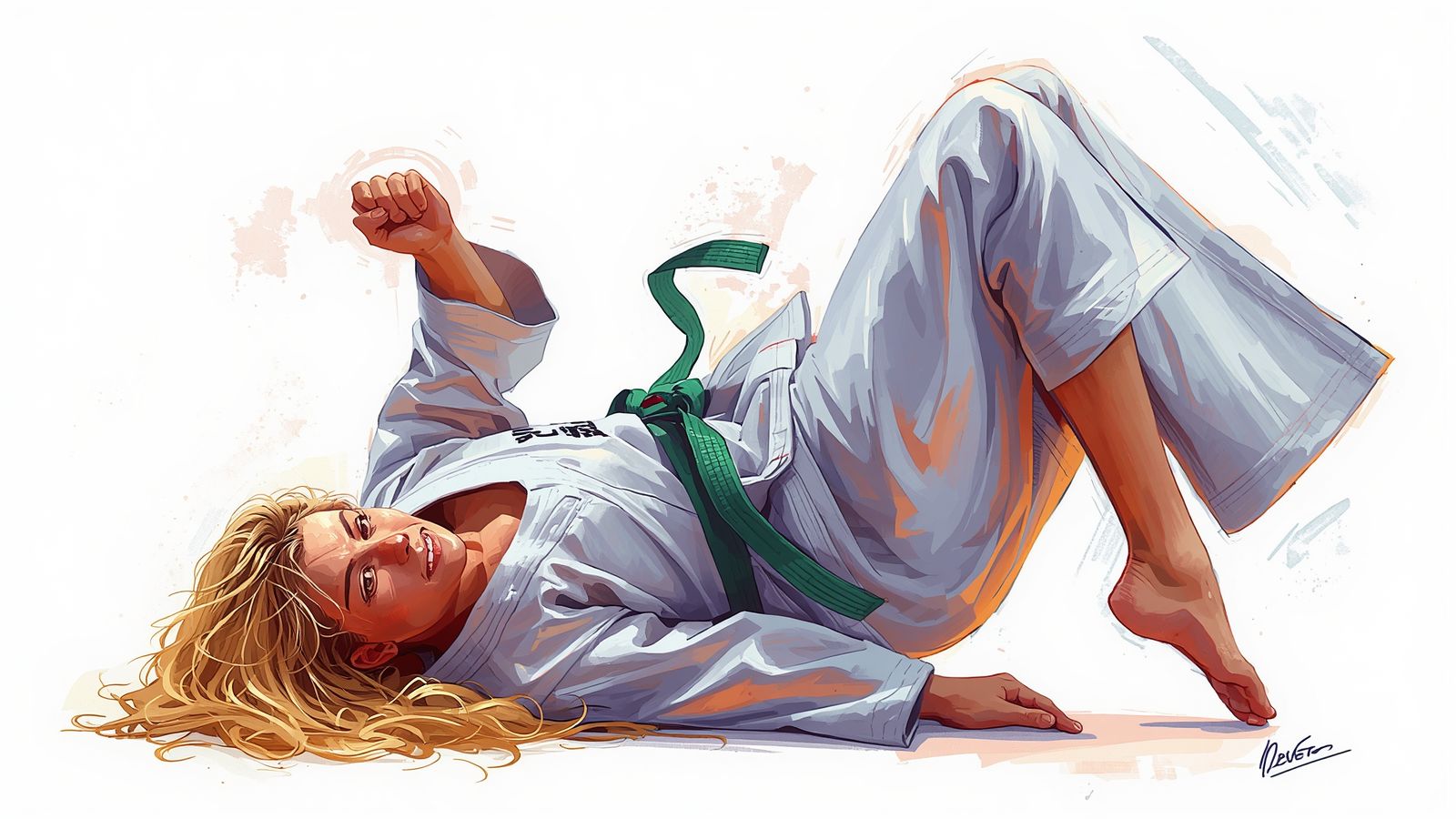
There’s a moment in every healing journey, every new venture, every belt test, every life transition where people don’t quit because it’s hard — they quit because the version of themselves required on the other side feels unfamiliar, intimidating, or impossible.
This is the real tipping point. Not the pain. Not the inconvenience. Not the difficulty.
It’s the identity shift.
To change your life, you have to change who you are. And that is terrifying.
The Night I Couldn’t Do the Roll
Last night in martial arts class, we were practicing rolls.
I couldn’t do it. Not “I struggled.” Not “I almost had it.” My body simply would not do the thing.
A few days earlier, I fractured my toe practicing bag work outside of class. I was already irritated, already feeling behind, already questioning myself.
But standing there on the mat, unable to roll, I hit the real edge:
Who do I have to become to keep going when I feel incapable? Who do I have to become to move through the hard?
That’s the moment most people quit. Not because they can’t do the roll — but because the identity required to become someone who can feels too far away.
Why Identity Change Feels Like Danger
Psychology and neuroscience are clear: identity change is the most threatening form of change.
The brain is wired to protect the current identity. Research from Stanford and the University of Michigan shows that the brain treats identity threats like physical danger. Not being able to do something — a roll, a boundary, a new skill — triggers the same neural alarm system as a real threat.
Your brain whispers: Stay who you are. It’s safer.
Change requires identity dissonance. Identity dissonance is the uncomfortable gap between who you are and who you’re becoming. Most people interpret this discomfort as a sign to stop. But research shows it’s actually the gateway to transformation.
The nervous system resists unfamiliar versions of you. Healing, growth, and new skills require nervous system expansion. Your body must learn to tolerate:
-
uncertainty
-
inadequacy
-
vulnerability
-
being a beginner
-
being seen in the becoming
This is why people quit therapy, martial arts, new ventures, relationships, and dreams.
Not because they can’t. Because their nervous system is still calibrated to who they’ve been.
The Spiritual Truth: Becoming Is the Point
Every spiritual tradition — from Buddhism to mysticism to contemplative Christianity — teaches the same principle:
You are not meant to stay who you are. You are meant to evolve.
Becoming is not a betrayal of your past self. It is the fulfillment of your soul’s trajectory.
There is no final form. No finished version. No “I’ve arrived.”
There is only:
-
shedding
-
expanding
-
integrating
-
rising
-
becoming
Healing is not a destination. It’s a lifestyle. A rhythm. A devotion.
The Real Reason People Quit
People don’t quit because:
-
the roll is hard
-
the business is slow
-
the healing is painful
-
the relationship requires work
They quit because:
The version of themselves required to continue feels too unfamiliar.
To keep going, you must become:
-
someone who tolerates discomfort
-
someone who shows up without skill yet
-
someone who keeps going without proof
-
someone who doesn’t abandon themselves when they feel inadequate
-
someone who can hold the tension between who they are and who they’re becoming
This is the identity threshold. This is the tipping point.
What It Actually Takes to Change Your Identity
Identity change is not mindset work. It’s not affirmations. It’s not “believing in yourself.”
Identity change is behavioral, neurological, and spiritual.
Repetition of aligned action Research shows identity shifts through repeated behavior, not belief. You become the person who rolls by attempting the roll — even when you fail.
Nervous system expansion You must learn to stay present in discomfort without shutting down or quitting.
Micro‑bravery Small acts of courage compound into identity. One attempt. One class. One truth spoken. One boundary held.
Releasing the old self You cannot become someone new while clinging to the version of you who feels safe, small, or familiar.
Spiritual surrender Becoming requires trust — in the process, in the path, in the unfolding of who you’re meant to be.
The Becoming Is the Reward
My toe will heal. My rolls will eventually click. My body will learn what it needs to learn.
But the identity I’m building — the one who stays, who tries, who evolves — that’s the real transformation.
The truth is:
There is no final goal. There is only who you become in the process.
Healing is becoming. Growth is becoming. Martial arts is becoming. Life is becoming.
And the moment you stop resisting the becoming, you stop quitting on yourself.
Categories
All Categories #agency #selftrust #traumainformedhealing #emotionalmaturity #boundaries #selfrespect #healingjourney #personalpower #innerauthority #chooseyourself #spiritualgrowth #therapywisdom #nobullshithealing #avoidance #healing #nervoussystem #spiritualgrowth #selfgrowth #fearresponse #martialarts #japanesesword #embodiment #traumarecovery #courage #intuition #personaldevelopment #betrayalhealing #fallingupward #richardrohr #strongheartwarrior #healingjourney #secondhalfoflife #spiritualgrowth #traumahealing #emotionalresilience #riseafterbetrayal #innertransformation #boundaries #selfrespect #relationalauthenticity #healingafterheartbreak #betrayaltrauma #healingafterinfidelity #rebuildingtrust #datingafterbetrayal #slowburnlove #healthyrelationships #emotionalsafety #traumainformedhealing #relationshiprecovery #selftrustjourney #secureattachment #moderndatingtruths #relationshipwisdom #codependency #traumahealing #mentalhealth #emotionalwellness #healingjourney #childhoodtrauma #attachmenttheory #boundaries #peoplepleasing #selfworth #relationshiphealth #traumarecovery #personalgrowth #selfcompassion #emotionallabor #mentalload #womenandrelationships #marriage #relationships #partnership #invisiblelabor #motherhood #workingmoms #familylife #relationshipdynamics #divorcerecovery #relationshipadvice #womenhelpingwomen #personalgrowth #empoweredwomen #selfrespect #strongwomen #intentionaldating #emotionalmaturity #visiondriven #healthyrelationships #womenwithgoals #independentwomen #mutualrespect #growthmindset #partnershipgoals #healingjourney #alignment #forgiveness #healingjourney #boundaries #spiritualgrowth #traumainformed #christianity #buddhism #taoism #selfworth #innerpeace #accountability #womanatthewell #ghosting #relationships #longtermlove #emotionalmaturity #avoidance #traumainformed #healing #attachment #empathy #selfrespect #nobullshittruthradio #strongheartwarriorproject #leslienoble #relationshipadvice #modernlove #disappearingacts #closure #healing #emotionalmaturity #selfrespect #spiritualgrowth #painasateacher #traumarecovery #innerwisdom #growthmindset #leslienoble #healing #relationships #traumainformed #emotionalmaturity #selfrespect #boundaries #menswork #womensupportingwomen #accountability #compassion #growth #healingjourney #psychology #spiritualgrowth #nuance #humanity #strongheartwarriorproject #leslienoble #healingjourney #authenticity #selfworth #boundaries #emotionalhealing #traumainformed #personalgrowth #martialartswisdom #stopperforming #healthyrelationships #knowyourworth #chooseyourself #innerstrength #womenwhorise #healingjourney #nobullshithealing #integrity #selfbetrayal #perfectionism #martialarts #karate #traumahealing #selfawareness #growthmindset #wholeness #innerwork #becoming #heartledliving #boundaries #authenticity #healingjourney #resilience #dontgiveup #emotionalhealing #traumarecovery #strengthtorise #keepgoing #innerhealing #personalgrowth #lifeafterpain #youareworthit #healingtools #navysealmindset #insicknessandinhealth #familylegacy #riseagain #healingjourney #shamework #johnbradshaw #brenebrown #innerchildhealing #traumainformed #emotionalhealth #selfworth #therapywisdom #personalgrowth #hopeasrebellion #newyearsreflection #annelamott #healingjourney #emotionalwellness #traumainformedhealing #spiritualgrowth #warriorsspeaktruth #chooseyourself #resilientheart #therapistwriter #hopeisapractice #mindfulliving #innerstrength #selftrust #infidelityrecovery #betrayaltrauma #rebuildingtrust #relationshiphealing #couplestherapy #emotionalsafety #traumainformedcare #marriageadvice #healingafterinfidelity #relationshipboundaries #trustafterbetrayal #healthyrelationships #discernmentnotpressure #knowyourworth #intimacymatters #relationshiphealth #pavlovianeffect #digitaldetox #marriagesupport #connectionoverpixels #futureoflove #couplestherapy #protectintimacy #dopaminerush #nobullshithealing #emotionalmaturity #healingjourney #womenover40 #womenover50 #selfrespect #boundaries #personalgrowth #midlifehealing #emotionalintelligence #relationshiphealing #traumainformed #healthylove #emotionalsafety #relationshipwisdom #healingjourney #selfworth #alignmentoverendurance #spiritualgrowth #chooseyourself #selfawareness #innerwork #emotionalintelligence #personalgrowth #healingjourney #traumainformed #accountability #nobullshithealing #humanbehavior #identitywork #sexualintimacy #relationshipadvice #emotionalsafety #healthyrelationships #intimacymatters #marriageadvice #couplestherapy #emotionalcontainment #desireandconnection #sexualwellness #traumainformed #modernrelationships #relationshiphealing #loveandintimacy #mensneeds #womensneeds #slowburnlove #healthyrelationships #traumainformeddating #emotionalsafety #attachment #datingwisdom #relationshipclarity #oxytocin #discernment #boundaries #moderndating #selfrespect #emotionalmaturity #datingadvice #nervoussystemhealing #avoidantpatterns #lovewithintention #speakyourtruth #healingjourney #traumainformed #honestliving #selftrust #emotionalclarity #spiritualgrowth #truthtelling #strongheartwarrior #becomingyou #startingover #unplannedlife #healingjourney #detours #selftrust #authenticliving #rewritingyourstory #newbeginnings #emotionalhealing #lifereset #surrendertouncertainty #embracetheunknown #letgotogrow #strongheartwarrior #boldinthestorm #riseinuncertainty #trusttheunfolding #survivingtothriving #healingjourney #emotionalwellness #traumainformed #mindfulliving #simplejoy #maryoliver #spiritualgrowth #innerhealing #nervoussystemhealing #traumainformed #abuseawareness #relationshiptrauma #healingjourney #traumabond #emotionalabuse #nobullshittruthradio #selfrespect #boundaries #cyclebreaking #mentalhealtheducation #trust #selftrust #healing #trauma #boundaries #emotionalmaturity #relationships #selfrespect #betrayalrecovery #healingjourney #nobullshittruthradio #leslienoble #martialartspsychology #attachmenthealing #trust #selftrust #relationships #healing #boundaries #emotionalmaturity #traumainformed #selfrespect #discernment #leslienoble #nobullshittruthradio @80'smusic @anxiousattachment @attachment @attractionpsychology @relationshippatterns @traumainformed @nervoussystemhealing @attachmentstyles @whywechoosewhowechoose @activationvsattraction @traumabondingawareness @healthyrelationships @emotionalintelligence @healingjourney @selfawareness @datingwithclarity @innerwork @choosingbetter @relationshipwisdom @healingrelationshippatterns @emotionalmaturity @leslienoblewriting @authenticity @authenticity @healing @selfrespect @boundaries @emotionalmaturity @spiritualgrowth @innerwork @traumahealing @selfabandonment @nobullshittruth @healingjourney @avoidantattachment @benefitsofgratitude @betrayal @betrayal @emotionalabandonment @relationships @healing @trauma @nervoussystem @attachment @accountability @communication @repair @boundaries @nobullshithealing @strongheartwarrior @betrayal @healing @trauma @psychology @researchbasedhealing @emotionalintelligence @boundaries @selfworth @relationships @avoidance @integrity @nobullshithealing @mentalhealth @nervoussystem @personalgrowth @bonjovi @boredom @nervoussystem @traumahealing @mentalhealth @healingjourney @somatichealing @peace @selfregulation @emotionalwellness @mindbodyconnection @healingtools @stressrelief @anxietyhelp @nobullshithealing @selfgrowth @innerpeace @brene'brown @brucelee @cheating @chinesehealing @christmas @coercivecontrol @narcissisticabuse @traumainformed @healingjourney @relationshiphealth @boundaries @selftrust @agency @emotionalabuseawareness @mentalhealtheducation @drramani @psychologycommunity @healingtools @selfrestoration @personalgrowth @cognitivereframng @commitmentissues @fearofcommitment @attachmentstyles @anxiousattachment @avoidantattachment @relationshipmisalignment @healthyrelationships @emotionalsafety @relationshipdynamics @commitmentmyths @datingpsychology @relationshipadvice @couplescommunication @nobullshithealing @modernrelationships @relationaltrauma @nervoussysteminrelationships @boundariesandcommitment @emotionalregulation @communication @relationships @compatibility @emotionalintimacy @traumainformed @boundaries @truthtelling @mindfulness @relationshiphealth @healing @selfexpression @connection @complexptsd @cptsdhealing @traumarecovery @emotionalflashbacks @nobullshithealing @grownafedition @traumatherapist @mentalhealtheducation @nervoussystemhealing @attachmenttrauma @somatichealing @emdrtherapy @ifspartswork @cbttherapy @dbtskills @relationshippatterns @cptsd @complexptsd @traumahealing @emotionalflashbacks @innerchildwork @nervoussystemregulation @traumatherapy @creativity @curiosity @cyclebreaking @generationalhealing @traumarecovery @adultchildrenhealing @emotionalsobriety @boundaries @selfrespect @healingjourney @intergenerationaltrauma @motherhoodandhealing @healersofinstagram @therapistsoftiktok @healingispossible @darknightofthesoul @darknightofthesoul @thomasmoore @depthpsychology @spiritualawakening @shadowwork @healingjourney @transformation @breakdownasbreakthrough @psychotherapy @nobullshealing @soulwork @innerwork @identitycollapse @spiritualcrisis @emotionalhealing @datingtruths @modernrelationships @emotionalmaturity @healthyconnection @datingadviceformen @datingadviceforwomen @relationshipwisdom @attachmenthealing @commitmentculture @stoptheghosting @socialmediaeffects @masculinefeminineenergy @clarityoverchaos @intentionaldating @healingafterhurt @therapistinsight @relationshipskills @datingculture2026 @honestandhuman @davidfeinstein @decisionmaking @emotionalmaturity @nervoussystemregulation @martialartsjourney @startingoverat50 @womenwhotrain @selfattunement @healingjourney @embodiedwisdom @traumainformedchoices @slowdown @mindfuldecisions @adultfriendships @respectfultrainingenvironments @decluttering @emotionalwellness @lettinggo @minimalism @mariekondo @sparkjoy @healingjourney @selfgrowth @mindfulliving @innerclarity @alignedliving @personaldevelopment @disorganizedattachment @divorce @donmiguelruiz @donnaeden @dr.gabormate @eckharttolle @ego @healing @selfrespect @boundaries @clapbackculture @maincharacterenergy @emotionalintelligence @selfworth @healingjourney @innerstrength @elizabethlesser @emotionalhealth @mentalwellness @nervoussystem @overwhelm @boundaries @healingjourney @seasonalshift @selfcare @traumaaware @authenticliving @nobullshealing @leslietherapist @emotionallyimmatureparents @adultchildrenofimmatureparents @emotionalneglect @healingjourney @traumarecovery @nervoussystemhealing @innerchildwork @boundaries @attachmentwounds @emotionalmaturity @communication @boundaries @healingwork @selfawareness @relationshipskills @psychology @innerwork @clarityoverchaos @growthmindset @emotionalmaturity @healingjourney @datingwithclarity @selfrespect @boundariesmatter @empathswithboundaries @relationshipwisdom @selfworthwork @emotionalintelligence @healingandgrowth @leslienoblewriting @modernrelationships @innerwork @emotionalmaturity @healingjourney @datingwithclarity @selfrespect @boundariesmatter @relationshipwisdom @selfworthwork @innerwork @modernrelationships @emotionalintelligence @healingandgrowth @leslienoblewriting @emotionalmaturity @healingjourney @innerchildhealing @parentification @selfworthwork @boundariesmatter @healingandgrowth @modernrelationships @selfrespect @empathswithboundaries @relationshipwisdom @datingwithclarity @leslienoblewriting @emotionalmaturity @relationshipwisdom @modernrelationships @attachmentstyles @avoidantattachment @selfrespect @boundariesmatter @healingjourney @innerwork @emotionalintelligence @selfworthwork @psychologybased @researchbacked @truthunfiltered @clarityoverchaos @healthyconnections @nobullshittruth @leslienoblewriting @healingandgrowth @emotionalmaturity @spiritualgrowth @selfloyalty @innerwork @healingjourney @selfabandonment @selfworth @accountability @growthmindset @personaldevelopment @emotionalneglect @relationships @attachmentwounds @nervoussystem @traumaresponse @coupleshealing @emotionalintimacy @avoidancepatterns @healingjourney @nobullshithealing @emotionalsafety @relationships @womensupport @attachment @gottman @relationshipscience @intimacy @trust @regulation @nervoussystem @healing @traumainformed @secureattachment @relationshipadvice @nobullshithealing @boundaries @communication @repair @energyhealing @energymedicine @epigenetics @estherperel @faithandwisdom @fatherwound @innerchildwork @traumarecovery @emotionalhealing @generationalhealing @attachmentwounds @selfworth @healingjourney @reparenting @nervoussystemregulation @griefwork @cyclebreaker @mentalhealtheducation @boundaries @fawning @traumaresponse @traumahealing @cptsd @ingridclayton @peoplepleasing @nervoussystemregulation @traumaidentity @healingjourney @boundaries @somatichealing @complextrauma @emotionalhealing @nobullshithealing @selfabandonment @innerchildwork @attachmenttrauma @financialbetrayal @moneytruth @relationshiphealth @trustissues @healingjourney @nobullshithealing @financialinfidelity @boundaries @selfprotection @emotionalmaturity @coupleswork @traumahealing @financialinfidelity @relationshipskills @couplestherapy @moneyconversations @movingintogether @financialboundaries @blendedfamilies @prenup @willplanning @financialtrust @emotionalsafety @financialplanning @foodasmedicine @traumainformedhealing @asianmedicine @energymedicine @somatichealing @nervoussystemregulation @qimedicine @mindbodyconnection @holistichealing @veganhealing @warmgroundingfood @healingthroughfood @clinicianwisdom @nobullshittruth @embodiedhealing @yinsupport @groundedliving @healingenergy @foodasenergy @holistictraumacare @friendship @nature @maryoliver @wildgeese @hillcountry @texas @emptynest @seasons @belonging @healingjourney @womenwhowrite @mindfulness @spiritualgrowth @connection @chosenfamily @gabormate' @generationalhealing @cyclebreaker @healingparent @adultchildren @emotionalmaturity @healingjourney @sacredmoments @selfrespect @healingandgrowth @leslienoblewriting @strongheartwarriorproject @innerwork @traumainformed @modernrelationships @boundariesmatter @healingisaworkof @gentlepower @gratitudeandabundance @gratitudeandhealing @gratitudelists @gratitudepractice @graydivorce @divorceafter50 @late‑lifedivorce @divorceover50 @menandwomendivorcetrends @emotionalerasure @relationshipdisconnection @longtermmarriageissues @emptynestdivorce @midliferelationshipchanges @selfabandonmentinmarriage @feelingunseen @relationshipawakening @reclaimingidentity @startingoverafterdivorce @healingafterlongmarriage @divorceandpersonalgrowth @midlifetransformation @relationshipboundaries @emotionalwellbeing @womensempowerment @mensemotionalhealth @midlifetransitio @grief @healing @petloss @spirituality @rescueanimals @motherhood @midlife @loveandloss @griefjourney @knobcreekwhiskey @maxwelledison @unexpectedhealing @griefhealing @griefjourney @emotionalmaturity @healingculture @traumainformed @innerwork @selfconnection @meaningfulliving @griefsupport @mentalhealthawareness @healingprocess @griefeducation @selfrespect @emotionalwellness @writersofinstagram @lifelessons @griefintegration @growth @midlifereinvention @healingjourney @selfdiscovery @mentalwellness @lifetransitions @alignedliving @itsnottoolate @becoming @personalgrowth @harshconflict @relationshiprepair @emotionalregulation @traumainrelationships @nervoussystemhealth @boundaries @selfcare @attachmentwounds @conflictresolution @nobullshithealing @somatichealing @healing @alignment @emotionalmaturity @growthmindset @selfworth @boundaries @compassion @nobullshealing @innerwork @lettinggo @stayingsoft @personaltruth @selfdevelopment @healingjourney @mindfulgrowth @healing @breakupsupport @truth @selfworth @boundaries @emotionalabuse @toxicrelationships @healingjourney @selfrespect @traumainformed @relationshipwisdom @movingon @innerstrength @healing @closure @selfworth @emotionalintelligence @boundaries @selfhealing @growthmindset @traumahealing @nobullshealing @strongheartwarriorproject @mentalhealth @relationshipadvice @betrayalrecovery @selfvalidation @healing @cyclebreaker @emotionalmaturity @selfworth @innerchildhealing @traumahealing @resilience @womenswisdom @midlifereinvention @55andthriving @legacybuilding @spiritualgrowth @healingjourney @selfpossession @healing @growth @selfrespect @boundaries @confidence @emotionalmaturity @traumahealing @innerwork @selftrust @courage @personaldevelopment @nervoussystemhealing @generationalhealing @healingjourney @healing @growth @selfrespect @boundaries @confidence @emotionalmaturity @traumahealing @martialartsjourney @selftrust @innerwork @courage @personaldevelopment @healingjourney @healing @growthmindset @emotionalmaturity @selfrespect @boundaries @traumainformed @innerwork @alignment @healingjourney @selfawareness @healing @identity @growth @traumaeducation @emotionalmaturity @selfrespect @martialartsjourney @becoming @spiritualgrowth @neuroscience @healingprocess @innerwork @healing @innerwork @soulgrowth @selfdiscovery @alignment @carljung @mentalhealth @personaldevelopment @awakening @truth @healing @relationships @datingwithclarity @selfworth @emotionalavailability @boundaries @selfrespect @attachmenthealing @innerwork @healthyrelationships @datingwisdom @healingjourney @emotionalmaturity @healing @relationships @trauma @boundaries @selfworth @attachment @mentalhealth @emotionalintelligence @codependency @selfrespect @therapy @healing @selfawareness @emotionalmaturity @growthmindset @accountability @selfleadership @innerwork @personaldevelopment @boundaries @shadowwork @healing @selfgrowth @midlifereinvention @protectyourpeace @emotionalwellness @nervoussystemhealth @boundaries @introvertlife @lifebeyond40 @womenwhogrow @healingjourney @mindbodyconnection @selfleadership @courageousliving @healing @selfregulation @boundaries @emotionalmaturity @nervoussystem @selfpossession @innerpeace @spiritualgrowth @healingjourney @unbothered @healing @selfrespect @boundaries @traumarecovery @attachment @relationships @emotionalmaturity @selfworth @nobullshittruth @leslienoble @healing @selfrespect @emotionalmaturity @boundaries @traumahealing @innerwork @carolinemyss @selftrust @alignment @growthjourney @healingjourney @truthspeaker @nobullshittruthradio @healing @selfrespect @emotionalmaturity @innerpeace @acceptance @boundaries @spiritualgrowth @clarity @healingjourney @traumarecovery @alignment @selfworth @mindfulness @healing @selfrespect @emotionalmaturity @trauma @nervoussystem @boundaries @selftrust @innerwork @spiritualgrowth @alignment @healingjourney @personalgrowth @healing @selftrust @boundaries @emotionalmaturity @nervoussystemhealth @traumarecovery @selfrespect @innerwork @healingjourney @dontgiveup @longgame @becoming @healing @selfworth @betrayaltrauma @relationshiphealing @innerwork @boundaries @selftrust @emotionalmaturity @spiritualgrowth @nobullshitradio @healing @selfworth @emotionalmaturity @boundaries @traumarecovery @generationalhealing @selfrespect @healingjourney @mentalhealth @therapywisdom @innerwork @selflove @purpose @calling @growth\ @healing @selfworth @emotionalmaturity @traumahealing @unlearning @innerwork @spiritualgrowth @cyclebreaker @selfrespect @leslienoblewriting @healing @selfworth @heartbreakrecovery @purposework @healingafterheartbreak @emotionalwellness @innerstrength @selftrust @healingjourney @personalgrowth #heartbreakhealing #findingpurpose #meaningafterloss #healingjourney #rebuildyourlife #chooseyourself #emotionalrecovery #alignedliving #leslienoblewrites @healing @selfworth @innerchild @relationships @emotionalmaturity @selfrespect @selflovejourney @attachmentwounds @boundaries @truelove @healingjourney @codependencyrecovery @selfloyalty @choosingyourself @personalgrowth @healing @selfworth @relationships @emotionalmaturity @discernment @traumarecovery @boundaries @selfrespect @innerwork @healingjourney @trustyourself @redflags @datingwisdom @mentalhealth @spiritualgrowth @healing @trauma @selfrespect @boundaries @emotionalmaturity @relationships @attachment @selfworth @growth @healingjourney @traumarecovery @innerwork @alignment @spiritualgrowth @healing @traumahealing @nervoussystem @attunement @somatichealing @relationshiphealth @boundaries @selfregulation @selfabandonment @emotionalintelligence @grownafhealing @attachmentwork @mentalhealth @therapytools @embodiment @healingjourney @selfworth @innerwork @truthbombs @healing @traumainformed @generationalhealing @selfworth @emotionalresilience @hope @healingjourney @selfrespect @boundaries @innerwork @healingblog @mentalwellness @spiritualgrowth @healingaftertrauma @rewritingyourstory @healingispossible @healingafterbetrayal @relationshiptrauma @marriagerecovery @selftrustjourney @traumainformedhealing @emotionalintegrity @rebuildingbelief @healingafterbetrayalbyapartner @healingjourney @emotionalmaturity @selfgrowth @worklifebalance @innerwork @joypractice @alignedliving @purposeandplay @selfleadership @boundariesandbalance @healerswhowork @spiritualgrowth @clinicalwisdom @drramani @narcissisticabusehealing @healingjourney @emotionalmaturity @selfrespect @innerwork @spiritualgrowth @selfworthwork @alignment @healingandgrowth @mindfulnesspractice @leslienoblewriting @modernspirituality @selftrust @healingjourney @futureself @selfgrowth @nervoussystem @innerwork @transformation @boundaries @selftrust @emotionalhealing @nobullshithealing @personaldevelopment @spiritualgrowth @healingjourney @generationalhealing @selfworth @innerwork @emotionalwellness @healingisnotlinear @selfcompassion @chooseyourself @boundariesarebeautiful @traumahealing @innerpeacejourney @gentlegrowth @selflovepractice @healingjourney @generationalhealing @selfworth @selftruth @innerpeace @cyclebreaker @traumainformed @carolinemyss @selflove @boundaries @spiritualgrowth @embodiment @energyhealing @mindfulness @healingjourney @innerwork @breakthepattern @selfawareness @relationshiphealing @emotionalmaturity @healinghabits @subconsciouswork @evolvingself @choosebetter @healingpatterns @traumainformed @personalgrowth @alignmentoverattachment @becomingher @selfrestoration @healingcommunity @embodiedhealing @learnunlearnrelearn @newrelationshipskills @healingjourney @innerwork @transformation @selfgrowth @mentalhealth @emotionalhealing @nervoussystemhealing @awakening @becoming @lifechanges @selfawareness @traumainformed @resilience @alignment @nobullshithealing @healingjourney @martialartswisdom @growthmindset @selfbelief @dontgiveup @innerstrength @karatetraining @healingandgrowth @courageousliving @spiritualgrowth @resiliencebuilding @mentalstrength @keepgoing @selftrust @lifepurpose @healingjourney @selfrespect @alignment @innerwork @healinglifestyle @selftrust @emotionalmaturity @becomingwhole @growthmindset @painintowisdom @disciplineisfreedom @healednotperfect @nervoussystemhealing @selfcareeveryday @quiettransformation @healingjourney @selfrespect @boundaries @emotionalmaturity @innerwork @growthmindset @spiritualgrowth @nobullshitradio @leslienoble @healingjourney @selfrespect @innerwork @emotionalmaturity @selflove @healinglifestyle @growthmindset @chooseyourself @innerstrength @rebirthseason @fearlessliving @thearena @becomingyou @healingcommunity @spiritualgrowth @mindfulhealing @selftrust @healingisnotlinear @lovewins @healyourstory @healingjourney @spiritualgrowth @selfworth @innerwork @lettinggo @heartbreakhealing @mindfulnesspractice @emotionalmaturity @newbeginnings @selflovejourney @relationshiplessons @healingafterloss @healingjourney @traumahealing @nervoussystemregulation @selfcompassion @burnoutrecovery @mentalhealthblog @somatichealing @innerwork @emotionalwellness @selfgrowth @nobullshithealing @boundaries @selfacceptance @healingwithoutburnout @traumainformed @healingjourney @traumainformed @emotionalresilience @heartcenteredliving @innerstrength @selfloyalty @courageoushealing @beginagain @alignment @innerwork @reclaimyourheart @posttraumaticgrowth @nobullshithealing @strongheartwarriorproject @selfcompassion @healingjourney @traumainformed @mentalhealth @therapywisdom @resilience @innerwork @emotionalgrowth @selfagency @betrayalrecovery @childhoodtrauma @relationshiphealing @sobrietyjourney @radicalacceptance @healingispossible @nobullshithealing @strongheartwarriorproject @mindbodyconnection @selfcompassion @generationalhealing @attachmenthealing @innerchildwork @healingjourney @traumarecovery @mentalhealth @emotionalhealing @selfgrowth @selfrespect @healingconsistency @commitmenttohealing @nobullshealing @bruceleequote @healingdiscipline @innerwork @selfloyalty @boundariesmatter @traumainformed @healingjourney @traumarecovery @selfrespect @emotionalmaturity @martialartswisdom @healingisdiscipline @strongheartwarrior @boundaries @selfleadership @mentalhealthblog @healingjourney @traumarecovery @spiritualgrowth @mentalhealthpoetry @youarentbroken @innerchildhealing @selfworth @healingcommunity @strongheartwarrior @emotionalwellness @healingpoem @therapytools @mindbodyspirit @resilience @healthyrelationships @selfworth @boundaries @healingjourney @attachmenthealing @selfabandonment @innerwork @relationshipwisdom @spiritualgrowth @nervoussystemhealing @selftrust @empoweredlove @traumarecovery @womenshealing @hotandcoldbehavior @relationshippatterns @datingtruths @friendshipdynamics @situationships @emotionalregulation @nervoussystemhealing @attachmentstyles @traumainformed @boundariesmatter @selfworth @innerwork @healingjourney @nobullshithealing @hyperresponsibility @emotionalhealth @burnoutrecovery @highachievers @mentalwellness @innerchildhealing @boundaries @selfworth @healingjourney @traumainformed @relationshiphealth @overfunctioning @peoplepleasingrecovery @identity @selfrespect @healing @boundaries @innerwork @selfworth @emotionalmaturity @personalgrowth @sovereignty @selftrust @infidelity @innerjourney @selfdiscovery @followyourheart @innerdojo @strengthandsoftness @mindfulcourage @healingpath @spiritualgrowth @resilience @mythicstorytelling @inspiration @personalgrowth @heartwisdom @transformativestories @strongheartwarrior @inspiration @selfgrowth @healingjourney @innerwisdom @transformation @selftrust @spiritualawakening @towerenergy @alignment @rebirth @intentionalliving @healingjourney @nervoussystemhealth @selfconnection @innerwork @alignment @joypractice @peacepractice @selfgrowth @midlifereinvention @embodiedliving @healingculture @livefromtheinsideout @selfworthwork @somatichealing @emotionalwellness @personalgrowth @mindfulliving @selfrestoration @healinginpublic @intimacy @intuition @selftrust @innerwisdom @healingjourney @emotionalmaturity @selfrespect @innerwork @alignment @nervoussystemhealing @growthmindset @healinglifestyle @trustyourself @selfrestoration @embodiedliving @claritywork @jackkornfield @jamesaltucher @japanesewisdom @jiajiang @johnbradshaw @kaizen @kellyclarkson @kindness @healing @boundaries @selfrespect @emotionalmaturity @traumarecovery @selfgrowth @garyzukav @authenticpower @healingjourney @discernment @softstrength @mentalhealth @kundaliniyoga @learningtotrustagainafterbetrayal @lewishowes @light @hope @healing @humanconnection @inspiration @mariannewilliamson @returntolove @kindnessmatters @emotionalwellness @spiritualgrowth @resilience @compassion @leadwithlove @dontplaysmall @lonelinessepidemic @healingloneliness @emotionalmaturity @selfrespect @innerwork @healingjourney @selfconnection @relationshiphealing @attachmenthealing @traumarecovery @selfabandonment @boundariesmatter @loveconrevenge @loveisblind @healthyrelationships @ambitiouswomen @moderndating @emotionalmaturity @insecuremen @relationshipwisdom @womenwholead @selfworth @datingadvice @therapyinsights @personalgrowth @femininepower @masculinehealing @relationshipdynamics @empoweredwomen @healingjourney @attachmentstyles @modernlove @partnership @magicalthinking @limerence @healthyrelationships @attachmentpatterns @selfworth @datingwisdom @relationshipadvice @healingjourney @emotionalmaturity @boundaries @selftrust @leslienoble @manosphere @louistheroux @masculinity @femininity @healingjourney @emotionalmaturity @genderdynamics @relationshiphealth @therapyinsights @culturalcommentary @mentalhealthawareness @boundaries @selfpossession @modernrelationships @menshealing @womenshealing @traumainformed @marissapeer @marriage @marthabeck @martialarts @martialarts @healingjourney @selfworth @boundaries @belonging @traumarecovery @womenwhotrain @innerstrength @selftrust @resilience @mindbodyconnection @karatelife @growthmindset @maryoliver @thejourney @poetryheals @healingjourney @selftrust @boundariesmatter @cominghometoyourself @emotionalmaturity @innerwork @selfrespect @choosingyourself @healingandgrowth @spiritualgrounding @masculinity @masculinity @mensmentalhealth @strongmanmyth @emotionalhealth @traumainformed @relationships @daviddeida @superiorman @healthyrelationships @healingjourney @selfworth @emotionalmaturity @couplestherapy @nervoussystemhealth @embodiedliving @matthewhussey @meaningfulliving @theoofgolden @allenlevi @simpleliving @intentionality @healingjourney @selfreflection @griefandgrowth @traumainformed @innerwork @lifelessons @legacywork @presenceoverperformance @spiritualgrowth @emotionalmaturity @livingwithintention @wholeness @selfconnection @healingpath @writersofinstagram @meditation @mentalhealth @mentalhealth @traumahealing @nervoussystemregulation @somatichealing @anxietyhelp @burnoutrecovery @emotionalwellness @selfcaretips @healingjourney @relationshiphealing @nobshealing @traumaeducation @mindbodyconnection @healingafterbetrayal @overwhelm @michaelbeckwith @mindfulliving @selfpresence @anthonymdemello @thichnhathanhteachings @healingjourney @innerfriendship @solitudeandsoul @emotionalmaturity @selfworthwork @innerpeacepractice @leslienoblewriting @spiritualgrowth @modernwisdom @healingandgrowth @motherwound @fatherwound @innerchildwork @traumainformedhealing @attachmentstyles @selfworthjourney @healingpatterns @boundariesmatter @adultchildrenoftrauma @reparentingwork @healingjourney @warriorsspeaktruth @motherwound @healingjourney @innerchildwork @traumarecovery @emotionalmaturity @generationalhealing @boundaries @selfcompassion @nervoussystemregulation @reparenting @griefwork @selfworth @narcissisticabuse @traumahealing @drramaniinspired @coercivecontrol @traumabonding @emotionalabuserecovery @selftrust @boundaries @healingjourney @nervoussystemhealing @relationshipclarity @psychologyeducation @nervoussystemcapacity @traumainformed @healingjourney @mindbodyconnection @somatichealing @selfsabotage @fearresponse @embodiedpractice @martialartsjourney @innerwork @resiliencebuilding @slowgrowth @integrationwork @nobullshithealing @netflixloveconrevenge @neurodiversity @nobullshithealing @emotionalclarity @traumahealing @selfawareness @personalgrowth @boundaries @healingjourney @emotionalintelligence @truthtelling @innerwork @stopselfabandonment @mindsetshift @nobullshithealing @emotionalgrowth @selfalignment @healingjourney @beginagain @personaltransformation @mindsetshift @innerwork @couragetochange @grownafenergy @nobullshithealing @leslietherapist @relationshipclarity @traumahealing @grownafedition @datingwisdom @emotionalmaturity @somatichealing @boundaries101 @womenwhoheal @nobullshithealing @traumatherapist @mentalhealtheducation @relationshiphealing @attachmentwork @feminineempowerment @masculinehealing @therapytalk @emotionalintelligence @misogynyawareness @redpillculture @healthymasculinity @womenempowerment @healingtogether @operationtorch @wwiihistory @veterans @ptsdrecovery @traumahealing @generationaltrauma @familylegacy @mentalhealthawareness @traumainformed @healingjourney @northafricainvasion @warstories @untoldstories @honorandmemory @militaryfamilies @oprahwinfrey @outrageculture @traumainformed @nervoussystemhealth @mentalwellness @relationshiprepair @marriagerecovery @healingjourney @selfrespect @attentioneconomy @emotionalhealth @burnoutculture @hopeasdiscipline @communityhealing @mindbodyconnection @therapyinsights @parenting @mindfulparenting @emotionalsafety @childdevelopment @resilientkids @nervoussystemhealth @wisemind @dbtskills @parentingtips @screenfreetime @familyconnection @healingtogether @patriarchystressdisorder @healingjourney @traumainformed @nervoussystemhealing @emotionalmaturity @mensmentalhealth @womensmentalhealth @somatichealing @selfworth @iamenough @culturalconditioning @relationshiphealth @healingtrauma @drvalerierein @psychologyblog @mentalhealthawareness @healingwork @innerhealing @boundariesandhealing @selfrespect @piamellody @postpartummentalhealth @traumarecovery @motherhoodpressure @lindseyclancycase @mentalhealthawareness @traumaresponse @nervoussystemregulation @purpose @alignment @devotion @samuraiwisdom @kamikazehistory @meaning @tradition @ritual @embodiment @rage @regrettingyou @reiki @reinvention @healingjourney @selfrespect @growthmindset @spiritualgrowth @taylorinspired @courageousliving @innerwork @personalgrowth @cominghome @alignmentoverapproval @emotionalhonesty @selfbelief @transformationjourney @relationshipclarity @healingjourney @selftrust @boundaries @emotionalwellness @decisionsupport @selfrespect @mentalhealthblog @relationshipadvice @healingafterlove @relationshiphealth @emotionalmaturity @selfworth @boundaries @attachment @healthyrelationships @identity @personalgrowth @coupleswork @autonomy @selfabandonment @healingjourney @modernlove @intentionalrelationships @relationships @loveandrespect @emotionalmaturity @healingjourney @relationshipskills @boundaries @selfworth @attachment @traumainformed @healthyrelationships @astarisborn @leslienoblewrites @relationships @marriage @couplestherapy @selfcare @identity @emotionalhealth @gottman @lovemapping @resentment @genderroles @mentalwellness @healing @connection @relationshipadvice @therapistinsight @traumainformed @relationshipselfabandonment @dangerousrelationshiplies @betrayalrecovery @emotionalhealing @cognitivedissonance @anxiousattachment @relationshipredflags @selfworthhealing @traumainformed @overfunctioning @healingafterbetrayal @relationshippsychology @attachmenttheory @boundariesandselftrust @toxicrelationshippatterns @emotionalresilience @healingjourney @therapistadvice @knowyourworth @nobullshithealing @richardrohr @samurai @scottgalloway @secureattachment @selfabandonment @loyalty @healingjourney @innerchildhealing @emotionalmaturity @boundaries @selfrespect @religiousdeconstruction @spiritualgrowth @healingfromtrauma @selfworth @healingcommunity @selfloyalty @selftrust @healingafterreligion @healingafterfamilytrauma @selfcompassion @healingblog @healingcontent @selfabandonment @selfloyalty @healingjourney @emotionalmaturity @innerchildhealing @boundariesmatter @selfrespect @relationshipwisdom @healingandgrowth @innerwork @leslienoblewriting @selfalignment @energetichealth @selfloyalty @healingjourney @relationshiptruths @nervoussystemhealing @selfabandonmentrecovery @innerwisdom @healingandgrowth @selfawareness @healingjourney @emotionalmaturity @thefouragreements @mindfulnesspractice @innerstability @boundaries @selfregulation @donttakethingspersonally @healingwork @selfgrowth @innerpeace @nervoussystemhealing @selfbetrayal @healingjourney @wisemind @dbtskills @traumarecovery @selfrespect @boundaries @emotionalmaturity @spiritualgrowth @betrayaltrauma @innerknowing @strongheartwarrior @selfcaretruth @betrayaltrauma @selfabandonment @healingjourney @traumarecovery @nervoussystemhealing @boundaries @selfrespect @emotionalmaturity @healingcontent @selfidentity @mentalhealth @traumarecovery @leadership @psychology @selfrespect @boundaries @innerstrength @identityformation @healingjourney @emotionalmaturity @karatehistory @personaldevelopment @integrity @clinicalinsight @selflove @selflove @healingjourney @emotionalwellness @innerstrength @selfworth @relationships @growthmindset @loveyourselffirst @healingpath @personaldevelopment @mindfulness @softstrength @womenwhogrow @selfrespect @innerpeace @selfrespect @healingjourney @boundaries @karatepractice @martialarts @misunderstood @emotionalhealth @selfworth @nobullshealing @traumahealing @personalgrowth @leavingtoheal @selfrespect @healingjourney @innerwork @emotionalmaturity @selftrust @alignment @boundaries @healingasawayoflife @nobullshittruth @capacitybuilding @selfleadership @traumarecovery @integritymatters @chooseyourself @growthmindset @selfrespect @healingjourney @traumainformed @emotionalmaturity @boundaries @selfworth @psychology @innerchildhealing @growthmindset @spiritualgrowth @alignment @integrity @selfrespect @identity @innerworld @emotionalhealth @nervoussystem @burnout @underresourced @sovereignty @selfnourishment @relationships @couples @sharedinterests @healing @personalgrowth @selfrespect @selfdiscipline @healingjourney @spiritualgrowth @traumainformed @boundaries @selfworth @innerwork @emotionalhealing @mindfulliving @selfleadership @nobullshittruth @womenwhorise @healyourstory @reclaimyourself @selftrust @healingafterbetrayal @emotionalclarity @boundaries @selfrespect @innerknowing @traumarecovery @healingjourney @trustyourself @movingforward @relationshiphealing @selfawareness @innerwisdom @healingblog @sex @sexpositive @sexualviolence @traumarecovery @womensafety @patriarchy @misogyny @prevention @traumainformed @healing @accountability @culturechange @feminism @consent @healthyrelationships @mentalhealth @situationships @emotionallyunavailable @datingtruth @relationshipadvice @attachmentstyles @avoidanceculture @healingjourney @grownafedition @nobullshitradio @traumainformed @selfworth @boundaries @datingtips @emotionalregulation @mentalhealth @womenshealing @clarityoverchaos @healingafterhurt @truthbombs @situationships @modernrelationships @commitmentavoidance @attachmentstyles @datingculture @emotionallyunavailable @relationshipanxiety @millennialdating @sovereignty @selfleadership @attachmentrepair @earnedtrust @accountability @boundaries @emotionalregulation @secureattachment @menswork @womenswork @selftrust @healingpath @clinicalinsight @relationshipskills @innerauthority @spiritualhealing @energyhealing @mindbodyconnection @restasmedicine @healingjourney @selfcare @slowingdown @emotionalwellness @holistichealing @innerwisdom @spiritualgrowth @healingenergy @listentoyourbody @wellnesstips @healingthroughrest @spirituality @energetics @intimacy @traumainformed @ancientwisdom @taoism @tantra @ayurveda @buddhism @indigenousteachings @discernment @healingjourney @nervoussystem @vitality @consciousrelationships @stability @healingjourney @spiritualpractice @innerwork @groundedliving @nervoussystemhealing @contemplativepractice @emotionalmaturity @selfleadership @mindfulness @growthmindset @wildwomanwisdom @cyclebreaker @innerpeace @embodiment @stabilitypractice @innerwork @selftrust @alignment @emotionalmaturity @nervoussystemregulation @selfrespect @boundariesmatter @growthmindset @becomingwhole @quietdiscipline @healinglifestyle @consistencyoverchaos @valuesledliving @painintowisdom @starwars @stillness @traumainformed @healingjourney @mindfulness @spiritualgrowth @buddhism @christianity @islamicwisdom @indigenouswisdom @taoism @hinduism @nervoussystemhealth @mentalwellness @selftrust @strongwomen @emotionalmaturity @womensupportingwomen @datingover40 @datingover50 @boundaries @selfrespect @healingjourney @relationshipwisdom @femininepower @traumainformed @midlifewomen @selfpossession @emotionalintelligence @womensvoices @strongwomen @womenshistory @generationalhealing @emotionalhealth @nervoussystemhealing @selfworth @boundaries @healingjourney @motherdaughterhealing @restisresistance @intentionalwomanhood @cyclebreaking @somatichealing @womensupportingwomen @thichnhathanh @tonyrobbins @traumabond @traumabonding @patrickcarnes @betrayaltrauma @healingjourney @nervoussystemhealing @attachmentwounds @relationshiphealing @traumarecovery @emotionalabuseawareness @healingfromwithin @selfrespect @traumahealing @agency @martialartsjourney @redbeltmovie @healingaftertrauma @mindbodyconnection @survivorstories @dignityinhealing @selftrust @embodiedhealing @jiujitsu @integrity @boundaries @healingpath @leslienoblewriting @traumahealing @cptsd @intergenerationaltrauma @healingjourney @somatichealing @mentalhealthawareness @bookreview @selfrespect @boundaries @emotionalmaturity @healingisnotlinear @complexptsd @therapyjourney @generationalhealing @truthtelling @resilience @traumahealing @emotionalmaturity @toxicpatterns @performativegoodness @healingjourney @selfrespect @boundaries @spiritualgrowth @eckharttolle @falseego @psychologyblog @healingtruth @traumainformed @traumainformedhealing @nervoussystemregulation @bodykeepsthescore @somatichealing @holistictraumacare @weightandtrauma @bodywisdom @energymedicine @asianmedicine @healingjourney @nobullshittruth @clinicianwisdom @mindbodyconnection @stressandmetabolism @compassionatehealing @safetyfirsthealing @embodiedrecovery @healingscience @traumaeducation @holisticwellness @truelove @truelove @fantasylove @healing @relationships @emotionalmaturity @selfrespect @traumarecovery @attachment @boundaries @nervoussystem @selfworth @intimacy @datingwisdom @healedlove @alignment @unconditionallove @boundaries @relationshiphealth @accountability @healingjourney @selfrespect @emotionalmaturity @traumarecovery @selflove @healthyrelationships @spiritualgrowth @innerwork @attachmenthealing @healingcommunity @leslienoblewrites @valentinesday @loveandhumanity @oneness @sharedhumanity @traumainformed @healingjourney @compassion @humandignity @resilience @womensvoices @mentalhealth @empathy @connection @webelongtoeachother @values @healing @selfawareness @emotionalmaturity @boundaries @integrity @personaldevelopment @authenticity @innerwork @truthtelling @selfgrowth @nobullshealing @mentalhealth @healingjourney if you want @warriorsway @waynedyer @womensempowerment @dojolife @martialartsjourney @traumainformed @boundaries @resilience @femalestrength @communitysupport @maledominatedspaces @nobullshithealing @womensvoices @womenwhorunwiththewolves @selftrust @healingjourney @authenticity @boundaries @selfprotection @karatepractice @femininepower @innerstrength @wildwoman @personalgrowth @truthspeaker @selfexpression @work @workaholism @burnoutrecovery @familyroles @highachievers @healingjourney @boundaries @restisproductive @mentalhealth @overfunctioning @generationalhealing @selfworth @balance @traumarecovery @healerswholosebalance @healingprofessionals @selfcarematters @restrevolution @healingthehelper if you want @yoga @zenprem being witnessed emotional intimacy true love meaning spiritual connection being seen and known adult relationships loneliness and connection emotional maturity trauma-informed love emotional healing trauma recovery nervous system regulation healing journey inner peace self‑awareness personal growth gabor mate jack kornfield authenticity alignment mental health self‑compassion boundaries survival mode nervous system healing trauma‑informed emotional resilience healing relationships spiritual growth self‑discovery inner healing empathy emotional boundaries trauma‑informed healing journey self‑awareness over‑functioning people‑pleasing emotional resilience healthy relationships mental health compassion fatigue nervous system health authentic living self‑protection personal growth hope at christmas coping with change during holidays spiritual traditions of hope viktor frankl man’s search for meaning resilience and healing strongheart warrior project holiday grief and renewal finding meaning in suffering christmas reflection blog self‑care during holidays letting people be wrong about you emotional maturity self-respect boundaries spiritual growth nervous system regulation trauma-informed healing discernment relational health authenticity martial arts wisdom personal growth self-worth inner peace non-attachment spiritual alignment healing journey misperception emotional regulation empowerment matthewhussey neurodiversity new year spiritual practice richard rohr contemplative prayer word of the year spirituality growth and resilience blog strongheart warrior project reflections alternatives to resolutions christian mysticism and prayer trauma‑informed spiritual growth hope and renewal in 2026 mindful living and intention setting patrickcarnes self‑respect emotional maturity attention vs connection character over beauty healthy relationships dating with integrity emotional boundaries loneliness and healing authentic connection trustworthiness in relationships personal growth relational self‑worth therapist blog modern dating culture being known vs being noticed world feels exhausting finding hope again mother teresa quote love your family modern burnout emotional exhaustion community and connection digital overwhelm how to find hope healing in community family values loneliness epidemic