When Karate Teaches You Something You Didn’t Expect: The Pain of Being Misunderstood — And Choosing Self‑Respect Anyway
@selfrespect @healingjourney @boundaries @karatepractice @martialarts @misunderstood @emotionalhealth @selfworth @nobullshealing @traumahealing @personalgrowth @leavingtoheal Aug 27, 2026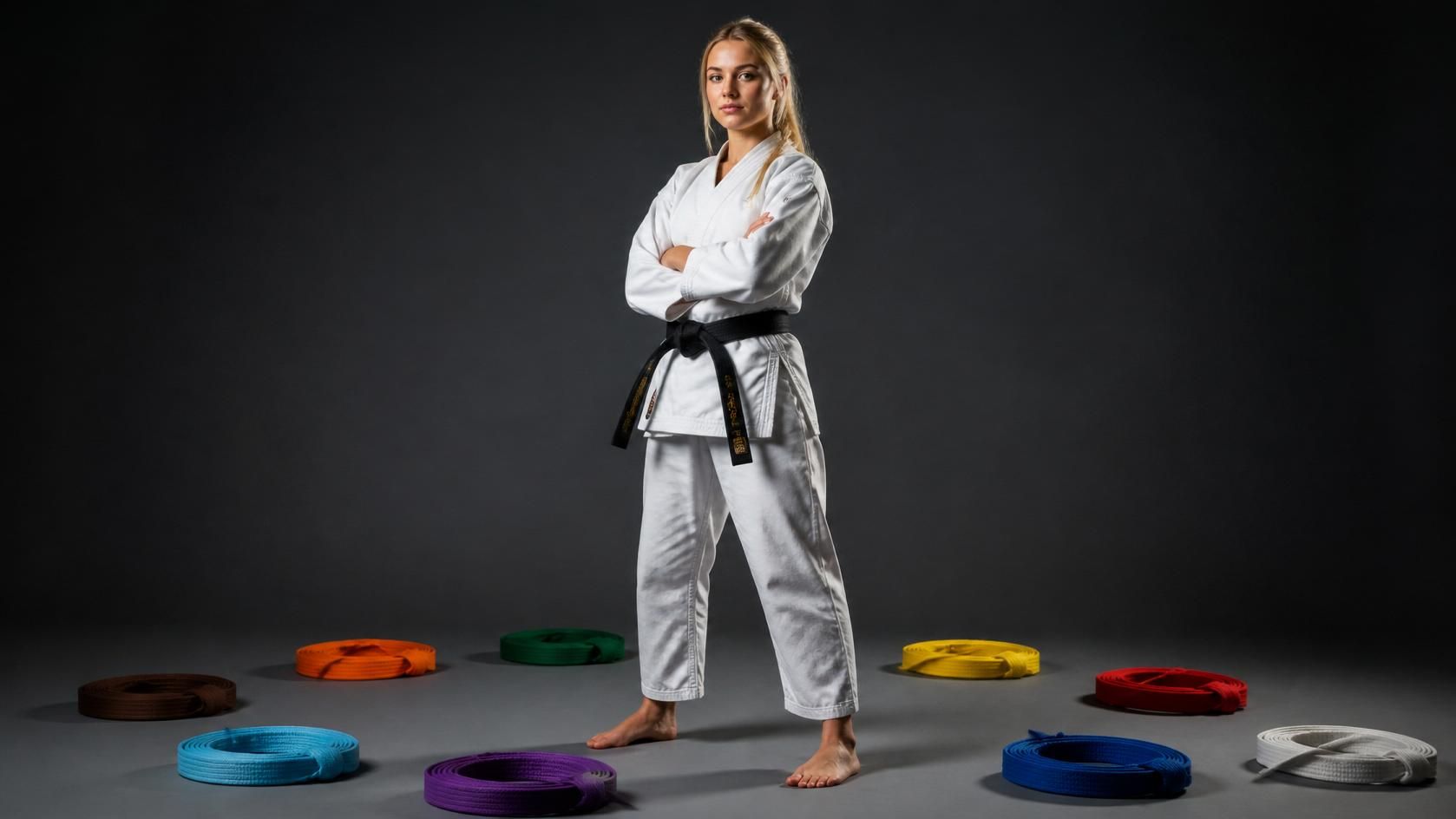
I want to share something vulnerable — not because I need sympathy, but because therapists are human too. We walk into the world with our own histories, our own nervous systems, and our own hopes. And sometimes, we end up in places that misunderstand us so deeply that staying becomes a form of self‑betrayal.
For a couple of years, I’ve been attending a karate class that has been… complicated. It didn’t start with empowerment. It started with a man hitting on me, rubbing up against me, and crossing boundaries when I’d only been there a few weeks. I told the instructor, but I could feel the skepticism. Of course the man denied it. And instead of being removed, he simply chose not to stay in class with me. But, the instructor continued to work with him. I told the instructor it was "his dojo, his choice." And I meant that, but the way this man has reacted, makes me know he was believed, instead of me. Which means I have to deal with him every week: laughing, joking around, glaring at me, rolling his eyes, making sure I knew he didn’t like me.
And I stayed. I stayed because I hoped that if I worked hard, showed up, was on time, and did everything right, the instructor would eventually see: “This person has no reason to be dishonest.”
But he never took the time to get to know me. Never followed up. Never asked how I was doing. Never attuned.
Last week, I walked up the stairs and that same man was getting dressed with the door wide open — underwear and all. And I found myself wondering why anyone would see me as the problem.
Then came the moment where I thought "what am I even doing here?"
In the middle of class, the instructor stopped everything, told me to take off my belt, and made me redo it in front of everyone — adults, kids, the whole room watching. It wasn’t a teaching moment. It wasn’t gentle. It wasn’t attuned. It was cold.
And here’s the part that still stings: I didn’t even do the belt wrong to begin with.
Right after it happened — not later, not after class — people came up to me and asked if I was okay. That’s how you know it wasn’t normal. That’s how you know everyone felt the sting of it.
What hurt wasn’t the belt. It was being misunderstood so completely.
Because I wasn’t criticizing him. I wasn’t challenging him. I wasn’t trying to be difficult. I was actually trying to support him — trying to have his back, trying to help the flow of the class.
But he didn’t see that. He didn’t see me at all.
So I left in the middle of class. Not dramatically. Not angrily. I could feel the tears coming, and I felt defeated in a way I couldn’t ignore anymore. As I stepped outside, one thought hit me with absolute clarity:
This is your sign. This is not working.
We all do it — we stay in places hoping that eventually someone will see us. Eventually they’ll understand us. Eventually they’ll realize we’re not who they assumed we were. I see this same wound in so many people I work with, and that’s why I decided to write about it.
I was mad at myself for waiting so long. But the truth is, I love karate. I love martial arts. I love the history, the movement, the discipline, the training. I love the feeling of power in my own body. There have been times I’ve surprised myself — times I actually felt good at it.
And that’s what made it so hard to leave.
Because how do you convince someone that you’re a good person who means no harm? That you tell the truth even when someone doesn’t want to hear it? That you’ve spent your whole life working with people — loving them through devastating chapters, holding their stories with care? That you would never walk into a space and cause a problem? It’s not in my DNA. Being truthful is. Setting boundaries is — though that one has been a learning curve.
I stayed because I hoped my consistency would speak for me. I hoped my hard work would speak for me. I hoped my integrity would speak for me.
But sometimes people don’t see you because they’re not looking. Sometimes they don’t understand you because they never tried. And sometimes the most painful thing isn’t what happened — it’s realizing that someone never saw who you really were in the first place.
This is a common wound. A human wound. And the only way to heal it is to embrace self‑respect as a value — not a reaction, not a last resort, but a guiding principle.
Leaving wasn’t quitting. Leaving was choosing myself.
Choosing Yourself — Even When You Don’t Want To
I don’t think I’m going to give up on martial arts. I love it too much — the history, the discipline, the movement, the way it makes me feel strong in my own skin. I’m not a quitter. I never have been. There are other dojos and other places to challenge myself.
But sometimes the bravest thing you can do is not to stay — it’s to leave the wrong place so you can eventually find the right one.
Making decisions in your own best interest is hard. It’s hard even when you really wanted something to work. It’s hard when you’ve invested time, effort, hope, and heart. It’s hard when you’ve imagined a future in that space. It’s hard when you’ve surprised yourself with moments of strength and skill and joy.
But self‑respect isn’t about staying loyal to a place. It’s about staying loyal to yourself.
Self‑respect means listening when your body says “this isn’t safe.” It means walking away from environments that misread you. It means refusing to shrink to fit someone else’s misunderstanding. It means choosing your dignity over someone else’s comfort. It means believing your own experience even when others don’t. It means trusting that you deserve to be in spaces where you are seen accurately.
Self‑respect is not loud. It’s not dramatic. It’s not a speech or a declaration.
Self‑respect is quiet. It’s steady. It’s a choice you make in the middle of a room when your heart says, “I can’t do this anymore,” and your feet carry you toward the door.
Self‑respect is choosing yourself — even when you don’t want to. Even when it hurts. Even when you loved something about the place you’re leaving.
And sometimes, self‑respect looks exactly like what I did: walking out of a room where I was misunderstood, unseen, and misread — and choosing to write about it so someone else recognizes their own sign sooner.
Categories
All Categories #agency #selftrust #traumainformedhealing #emotionalmaturity #boundaries #selfrespect #healingjourney #personalpower #innerauthority #chooseyourself #spiritualgrowth #therapywisdom #nobullshithealing #avoidance #healing #nervoussystem #spiritualgrowth #selfgrowth #fearresponse #martialarts #japanesesword #embodiment #traumarecovery #courage #intuition #personaldevelopment #betrayalhealing #fallingupward #richardrohr #strongheartwarrior #healingjourney #secondhalfoflife #spiritualgrowth #traumahealing #emotionalresilience #riseafterbetrayal #innertransformation #boundaries #selfrespect #relationalauthenticity #healingafterheartbreak #betrayaltrauma #healingafterinfidelity #rebuildingtrust #datingafterbetrayal #slowburnlove #healthyrelationships #emotionalsafety #traumainformedhealing #relationshiprecovery #selftrustjourney #secureattachment #moderndatingtruths #relationshipwisdom #codependency #traumahealing #mentalhealth #emotionalwellness #healingjourney #childhoodtrauma #attachmenttheory #boundaries #peoplepleasing #selfworth #relationshiphealth #traumarecovery #personalgrowth #selfcompassion #emotionallabor #mentalload #womenandrelationships #marriage #relationships #partnership #invisiblelabor #motherhood #workingmoms #familylife #relationshipdynamics #divorcerecovery #relationshipadvice #womenhelpingwomen #personalgrowth #empoweredwomen #selfrespect #strongwomen #intentionaldating #emotionalmaturity #visiondriven #healthyrelationships #womenwithgoals #independentwomen #mutualrespect #growthmindset #partnershipgoals #healingjourney #alignment #forgiveness #healingjourney #boundaries #spiritualgrowth #traumainformed #christianity #buddhism #taoism #selfworth #innerpeace #accountability #womanatthewell #ghosting #relationships #longtermlove #emotionalmaturity #avoidance #traumainformed #healing #attachment #empathy #selfrespect #nobullshittruthradio #strongheartwarriorproject #leslienoble #relationshipadvice #modernlove #disappearingacts #closure #healing #emotionalmaturity #selfrespect #spiritualgrowth #painasateacher #traumarecovery #innerwisdom #growthmindset #leslienoble #healing #relationships #traumainformed #emotionalmaturity #selfrespect #boundaries #menswork #womensupportingwomen #accountability #compassion #growth #healingjourney #psychology #spiritualgrowth #nuance #humanity #strongheartwarriorproject #leslienoble #healingjourney #authenticity #selfworth #boundaries #emotionalhealing #traumainformed #personalgrowth #martialartswisdom #stopperforming #healthyrelationships #knowyourworth #chooseyourself #innerstrength #womenwhorise #healingjourney #nobullshithealing #integrity #selfbetrayal #perfectionism #martialarts #karate #traumahealing #selfawareness #growthmindset #wholeness #innerwork #becoming #heartledliving #boundaries #authenticity #healingjourney #resilience #dontgiveup #emotionalhealing #traumarecovery #strengthtorise #keepgoing #innerhealing #personalgrowth #lifeafterpain #youareworthit #healingtools #navysealmindset #insicknessandinhealth #familylegacy #riseagain #healingjourney #shamework #johnbradshaw #brenebrown #innerchildhealing #traumainformed #emotionalhealth #selfworth #therapywisdom #personalgrowth #hopeasrebellion #newyearsreflection #annelamott #healingjourney #emotionalwellness #traumainformedhealing #spiritualgrowth #warriorsspeaktruth #chooseyourself #resilientheart #therapistwriter #hopeisapractice #mindfulliving #innerstrength #selftrust #infidelityrecovery #betrayaltrauma #rebuildingtrust #relationshiphealing #couplestherapy #emotionalsafety #traumainformedcare #marriageadvice #healingafterinfidelity #relationshipboundaries #trustafterbetrayal #healthyrelationships #discernmentnotpressure #knowyourworth #intimacymatters #relationshiphealth #pavlovianeffect #digitaldetox #marriagesupport #connectionoverpixels #futureoflove #couplestherapy #protectintimacy #dopaminerush #nobullshithealing #emotionalmaturity #healingjourney #womenover40 #womenover50 #selfrespect #boundaries #personalgrowth #midlifehealing #emotionalintelligence #relationshiphealing #traumainformed #healthylove #emotionalsafety #relationshipwisdom #healingjourney #selfworth #alignmentoverendurance #spiritualgrowth #chooseyourself #selfawareness #innerwork #emotionalintelligence #personalgrowth #healingjourney #traumainformed #accountability #nobullshithealing #humanbehavior #identitywork #sexualintimacy #relationshipadvice #emotionalsafety #healthyrelationships #intimacymatters #marriageadvice #couplestherapy #emotionalcontainment #desireandconnection #sexualwellness #traumainformed #modernrelationships #relationshiphealing #loveandintimacy #mensneeds #womensneeds #slowburnlove #healthyrelationships #traumainformeddating #emotionalsafety #attachment #datingwisdom #relationshipclarity #oxytocin #discernment #boundaries #moderndating #selfrespect #emotionalmaturity #datingadvice #nervoussystemhealing #avoidantpatterns #lovewithintention #speakyourtruth #healingjourney #traumainformed #honestliving #selftrust #emotionalclarity #spiritualgrowth #truthtelling #strongheartwarrior #becomingyou #startingover #unplannedlife #healingjourney #detours #selftrust #authenticliving #rewritingyourstory #newbeginnings #emotionalhealing #lifereset #surrendertouncertainty #embracetheunknown #letgotogrow #strongheartwarrior #boldinthestorm #riseinuncertainty #trusttheunfolding #survivingtothriving #healingjourney #emotionalwellness #traumainformed #mindfulliving #simplejoy #maryoliver #spiritualgrowth #innerhealing #nervoussystemhealing #traumainformed #abuseawareness #relationshiptrauma #healingjourney #traumabond #emotionalabuse #nobullshittruthradio #selfrespect #boundaries #cyclebreaking #mentalhealtheducation #trust #selftrust #healing #trauma #boundaries #emotionalmaturity #relationships #selfrespect #betrayalrecovery #healingjourney #nobullshittruthradio #leslienoble #martialartspsychology #attachmenthealing #trust #selftrust #relationships #healing #boundaries #emotionalmaturity #traumainformed #selfrespect #discernment #leslienoble #nobullshittruthradio @80'smusic @anxiousattachment @attachment @attractionpsychology @relationshippatterns @traumainformed @nervoussystemhealing @attachmentstyles @whywechoosewhowechoose @activationvsattraction @traumabondingawareness @healthyrelationships @emotionalintelligence @healingjourney @selfawareness @datingwithclarity @innerwork @choosingbetter @relationshipwisdom @healingrelationshippatterns @emotionalmaturity @leslienoblewriting @authenticity @authenticity @healing @selfrespect @boundaries @emotionalmaturity @spiritualgrowth @innerwork @traumahealing @selfabandonment @nobullshittruth @healingjourney @avoidantattachment @benefitsofgratitude @betrayal @betrayal @emotionalabandonment @relationships @healing @trauma @nervoussystem @attachment @accountability @communication @repair @boundaries @nobullshithealing @strongheartwarrior @betrayal @healing @trauma @psychology @researchbasedhealing @emotionalintelligence @boundaries @selfworth @relationships @avoidance @integrity @nobullshithealing @mentalhealth @nervoussystem @personalgrowth @bonjovi @boredom @nervoussystem @traumahealing @mentalhealth @healingjourney @somatichealing @peace @selfregulation @emotionalwellness @mindbodyconnection @healingtools @stressrelief @anxietyhelp @nobullshithealing @selfgrowth @innerpeace @brene'brown @brucelee @cheating @chinesehealing @christmas @coercivecontrol @narcissisticabuse @traumainformed @healingjourney @relationshiphealth @boundaries @selftrust @agency @emotionalabuseawareness @mentalhealtheducation @drramani @psychologycommunity @healingtools @selfrestoration @personalgrowth @cognitivereframng @communication @relationships @compatibility @emotionalintimacy @traumainformed @boundaries @truthtelling @mindfulness @relationshiphealth @healing @selfexpression @connection @complexptsd @cptsdhealing @traumarecovery @emotionalflashbacks @nobullshithealing @grownafedition @traumatherapist @mentalhealtheducation @nervoussystemhealing @attachmenttrauma @somatichealing @emdrtherapy @ifspartswork @cbttherapy @dbtskills @relationshippatterns @cptsd @complexptsd @traumahealing @emotionalflashbacks @innerchildwork @nervoussystemregulation @traumatherapy @creativity @curiosity @cyclebreaking @generationalhealing @traumarecovery @adultchildrenhealing @emotionalsobriety @boundaries @selfrespect @healingjourney @intergenerationaltrauma @motherhoodandhealing @healersofinstagram @therapistsoftiktok @healingispossible @darknightofthesoul @darknightofthesoul @thomasmoore @depthpsychology @spiritualawakening @shadowwork @healingjourney @transformation @breakdownasbreakthrough @psychotherapy @nobullshealing @soulwork @innerwork @identitycollapse @spiritualcrisis @emotionalhealing @datingtruths @modernrelationships @emotionalmaturity @healthyconnection @datingadviceformen @datingadviceforwomen @relationshipwisdom @attachmenthealing @commitmentculture @stoptheghosting @socialmediaeffects @masculinefeminineenergy @clarityoverchaos @intentionaldating @healingafterhurt @therapistinsight @relationshipskills @datingculture2026 @honestandhuman @davidfeinstein @decisionmaking @emotionalmaturity @nervoussystemregulation @martialartsjourney @startingoverat50 @womenwhotrain @selfattunement @healingjourney @embodiedwisdom @traumainformedchoices @slowdown @mindfuldecisions @adultfriendships @respectfultrainingenvironments @decluttering @emotionalwellness @lettinggo @minimalism @mariekondo @sparkjoy @healingjourney @selfgrowth @mindfulliving @innerclarity @alignedliving @personaldevelopment @disorganizedattachment @divorce @donmiguelruiz @donnaeden @dr.gabormate @eckharttolle @ego @healing @selfrespect @boundaries @clapbackculture @maincharacterenergy @emotionalintelligence @selfworth @healingjourney @innerstrength @elizabethlesser @emotionalhealth @mentalwellness @nervoussystem @overwhelm @boundaries @healingjourney @seasonalshift @selfcare @traumaaware @authenticliving @nobullshealing @leslietherapist @emotionallyimmatureparents @adultchildrenofimmatureparents @emotionalneglect @healingjourney @traumarecovery @nervoussystemhealing @innerchildwork @boundaries @attachmentwounds @emotionalmaturity @communication @boundaries @healingwork @selfawareness @relationshipskills @psychology @innerwork @clarityoverchaos @growthmindset @emotionalmaturity @healingjourney @datingwithclarity @selfrespect @boundariesmatter @empathswithboundaries @relationshipwisdom @selfworthwork @emotionalintelligence @healingandgrowth @leslienoblewriting @modernrelationships @innerwork @emotionalmaturity @healingjourney @datingwithclarity @selfrespect @boundariesmatter @relationshipwisdom @selfworthwork @innerwork @modernrelationships @emotionalintelligence @healingandgrowth @leslienoblewriting @emotionalmaturity @healingjourney @innerchildhealing @parentification @selfworthwork @boundariesmatter @healingandgrowth @modernrelationships @selfrespect @empathswithboundaries @relationshipwisdom @datingwithclarity @leslienoblewriting @emotionalmaturity @relationshipwisdom @modernrelationships @attachmentstyles @avoidantattachment @selfrespect @boundariesmatter @healingjourney @innerwork @emotionalintelligence @selfworthwork @psychologybased @researchbacked @truthunfiltered @clarityoverchaos @healthyconnections @nobullshittruth @leslienoblewriting @healingandgrowth @emotionalmaturity @spiritualgrowth @selfloyalty @innerwork @healingjourney @selfabandonment @selfworth @accountability @growthmindset @personaldevelopment @emotionalneglect @relationships @attachmentwounds @nervoussystem @traumaresponse @coupleshealing @emotionalintimacy @avoidancepatterns @healingjourney @nobullshithealing @energyhealing @energymedicine @epigenetics @estherperel @faithandwisdom @fatherwound @innerchildwork @traumarecovery @emotionalhealing @generationalhealing @attachmentwounds @selfworth @healingjourney @reparenting @nervoussystemregulation @griefwork @cyclebreaker @mentalhealtheducation @boundaries @fawning @traumaresponse @traumahealing @cptsd @ingridclayton @peoplepleasing @nervoussystemregulation @traumaidentity @healingjourney @boundaries @somatichealing @complextrauma @emotionalhealing @nobullshithealing @selfabandonment @innerchildwork @attachmenttrauma @financialbetrayal @moneytruth @relationshiphealth @trustissues @healingjourney @nobullshithealing @financialinfidelity @boundaries @selfprotection @emotionalmaturity @coupleswork @traumahealing @financialinfidelity @relationshipskills @couplestherapy @moneyconversations @movingintogether @financialboundaries @blendedfamilies @prenup @willplanning @financialtrust @emotionalsafety @financialplanning @foodasmedicine @traumainformedhealing @asianmedicine @energymedicine @somatichealing @nervoussystemregulation @qimedicine @mindbodyconnection @holistichealing @veganhealing @warmgroundingfood @healingthroughfood @clinicianwisdom @nobullshittruth @embodiedhealing @yinsupport @groundedliving @healingenergy @foodasenergy @holistictraumacare @friendship @nature @maryoliver @wildgeese @hillcountry @texas @emptynest @seasons @belonging @healingjourney @womenwhowrite @mindfulness @spiritualgrowth @connection @chosenfamily @gabormate' @generationalhealing @cyclebreaker @healingparent @adultchildren @emotionalmaturity @healingjourney @sacredmoments @selfrespect @healingandgrowth @leslienoblewriting @strongheartwarriorproject @innerwork @traumainformed @modernrelationships @boundariesmatter @healingisaworkof @gentlepower @gratitudeandabundance @gratitudeandhealing @gratitudelists @gratitudepractice @grief @healing @petloss @spirituality @rescueanimals @motherhood @midlife @loveandloss @griefjourney @knobcreekwhiskey @maxwelledison @unexpectedhealing @griefhealing @griefjourney @emotionalmaturity @healingculture @traumainformed @innerwork @selfconnection @meaningfulliving @griefsupport @mentalhealthawareness @healingprocess @griefeducation @selfrespect @emotionalwellness @writersofinstagram @lifelessons @griefintegration @growth @midlifereinvention @healingjourney @selfdiscovery @mentalwellness @lifetransitions @alignedliving @itsnottoolate @becoming @personalgrowth @harshconflict @relationshiprepair @emotionalregulation @traumainrelationships @nervoussystemhealth @boundaries @selfcare @attachmentwounds @conflictresolution @nobullshithealing @somatichealing @healing @breakupsupport @truth @selfworth @boundaries @emotionalabuse @toxicrelationships @healingjourney @selfrespect @traumainformed @relationshipwisdom @movingon @innerstrength @healing @closure @selfworth @emotionalintelligence @boundaries @selfhealing @growthmindset @traumahealing @nobullshealing @strongheartwarriorproject @mentalhealth @relationshipadvice @betrayalrecovery @selfvalidation @healing @cyclebreaker @emotionalmaturity @selfworth @innerchildhealing @traumahealing @resilience @womenswisdom @midlifereinvention @55andthriving @legacybuilding @spiritualgrowth @healingjourney @selfpossession @healing @growth @selfrespect @boundaries @confidence @emotionalmaturity @traumahealing @innerwork @selftrust @courage @personaldevelopment @nervoussystemhealing @generationalhealing @healingjourney @healing @growth @selfrespect @boundaries @confidence @emotionalmaturity @traumahealing @martialartsjourney @selftrust @innerwork @courage @personaldevelopment @healingjourney @healing @growthmindset @emotionalmaturity @selfrespect @boundaries @traumainformed @innerwork @alignment @healingjourney @selfawareness @healing @identity @growth @traumaeducation @emotionalmaturity @selfrespect @martialartsjourney @becoming @spiritualgrowth @neuroscience @healingprocess @innerwork @healing @innerwork @soulgrowth @selfdiscovery @alignment @carljung @mentalhealth @personaldevelopment @awakening @truth @healing @relationships @datingwithclarity @selfworth @emotionalavailability @boundaries @selfrespect @attachmenthealing @innerwork @healthyrelationships @datingwisdom @healingjourney @emotionalmaturity @healing @relationships @trauma @boundaries @selfworth @attachment @mentalhealth @emotionalintelligence @codependency @selfrespect @therapy @healing @selfawareness @emotionalmaturity @growthmindset @accountability @selfleadership @innerwork @personaldevelopment @boundaries @shadowwork @healing @selfgrowth @midlifereinvention @protectyourpeace @emotionalwellness @nervoussystemhealth @boundaries @introvertlife @lifebeyond40 @womenwhogrow @healingjourney @mindbodyconnection @selfleadership @courageousliving @healing @selfregulation @boundaries @emotionalmaturity @nervoussystem @selfpossession @innerpeace @spiritualgrowth @healingjourney @unbothered @healing @selfrespect @boundaries @traumarecovery @attachment @relationships @emotionalmaturity @selfworth @nobullshittruth @leslienoble @healing @selfrespect @emotionalmaturity @boundaries @traumahealing @innerwork @carolinemyss @selftrust @alignment @growthjourney @healingjourney @truthspeaker @nobullshittruthradio @healing @selfrespect @emotionalmaturity @innerpeace @acceptance @boundaries @spiritualgrowth @clarity @healingjourney @traumarecovery @alignment @selfworth @mindfulness @healing @selfrespect @emotionalmaturity @trauma @nervoussystem @boundaries @selftrust @innerwork @spiritualgrowth @alignment @healingjourney @personalgrowth @healing @selftrust @boundaries @emotionalmaturity @nervoussystemhealth @traumarecovery @selfrespect @innerwork @healingjourney @dontgiveup @longgame @becoming @healing @selfworth @betrayaltrauma @relationshiphealing @innerwork @boundaries @selftrust @emotionalmaturity @spiritualgrowth @nobullshitradio @healing @selfworth @emotionalmaturity @boundaries @traumarecovery @generationalhealing @selfrespect @healingjourney @mentalhealth @therapywisdom @innerwork @selflove @purpose @calling @growth\ @healing @selfworth @emotionalmaturity @traumahealing @unlearning @innerwork @spiritualgrowth @cyclebreaker @selfrespect @leslienoblewriting @healing @selfworth @heartbreakrecovery @purposework @healingafterheartbreak @emotionalwellness @innerstrength @selftrust @healingjourney @personalgrowth #heartbreakhealing #findingpurpose #meaningafterloss #healingjourney #rebuildyourlife #chooseyourself #emotionalrecovery #alignedliving #leslienoblewrites @healing @selfworth @innerchild @relationships @emotionalmaturity @selfrespect @selflovejourney @attachmentwounds @boundaries @truelove @healingjourney @codependencyrecovery @selfloyalty @choosingyourself @personalgrowth @healing @selfworth @relationships @emotionalmaturity @discernment @traumarecovery @boundaries @selfrespect @innerwork @healingjourney @trustyourself @redflags @datingwisdom @mentalhealth @spiritualgrowth @healing @trauma @selfrespect @boundaries @emotionalmaturity @relationships @attachment @selfworth @growth @healingjourney @traumarecovery @innerwork @alignment @spiritualgrowth @healing @traumahealing @nervoussystem @attunement @somatichealing @relationshiphealth @boundaries @selfregulation @selfabandonment @emotionalintelligence @grownafhealing @attachmentwork @mentalhealth @therapytools @embodiment @healingjourney @selfworth @innerwork @truthbombs @healing @traumainformed @generationalhealing @selfworth @emotionalresilience @hope @healingjourney @selfrespect @boundaries @innerwork @healingblog @mentalwellness @spiritualgrowth @healingaftertrauma @rewritingyourstory @healingispossible @healingafterbetrayal @relationshiptrauma @marriagerecovery @selftrustjourney @traumainformedhealing @emotionalintegrity @rebuildingbelief @healingafterbetrayalbyapartner @healingjourney @emotionalmaturity @selfgrowth @worklifebalance @innerwork @joypractice @alignedliving @purposeandplay @selfleadership @boundariesandbalance @healerswhowork @spiritualgrowth @clinicalwisdom @drramani @narcissisticabusehealing @healingjourney @emotionalmaturity @selfrespect @innerwork @spiritualgrowth @selfworthwork @alignment @healingandgrowth @mindfulnesspractice @leslienoblewriting @modernspirituality @selftrust @healingjourney @futureself @selfgrowth @nervoussystem @innerwork @transformation @boundaries @selftrust @emotionalhealing @nobullshithealing @personaldevelopment @spiritualgrowth @healingjourney @generationalhealing @selfworth @innerwork @emotionalwellness @healingisnotlinear @selfcompassion @chooseyourself @boundariesarebeautiful @traumahealing @innerpeacejourney @gentlegrowth @selflovepractice @healingjourney @generationalhealing @selfworth @selftruth @innerpeace @cyclebreaker @traumainformed @carolinemyss @selflove @boundaries @spiritualgrowth @embodiment @energyhealing @mindfulness @healingjourney @innerwork @breakthepattern @selfawareness @relationshiphealing @emotionalmaturity @healinghabits @subconsciouswork @evolvingself @choosebetter @healingpatterns @traumainformed @personalgrowth @alignmentoverattachment @becomingher @selfrestoration @healingcommunity @embodiedhealing @learnunlearnrelearn @newrelationshipskills @healingjourney @innerwork @transformation @selfgrowth @mentalhealth @emotionalhealing @nervoussystemhealing @awakening @becoming @lifechanges @selfawareness @traumainformed @resilience @alignment @nobullshithealing @healingjourney @martialartswisdom @growthmindset @selfbelief @dontgiveup @innerstrength @karatetraining @healingandgrowth @courageousliving @spiritualgrowth @resiliencebuilding @mentalstrength @keepgoing @selftrust @lifepurpose @healingjourney @selfrespect @alignment @innerwork @healinglifestyle @selftrust @emotionalmaturity @becomingwhole @growthmindset @painintowisdom @disciplineisfreedom @healednotperfect @nervoussystemhealing @selfcareeveryday @quiettransformation @healingjourney @selfrespect @boundaries @emotionalmaturity @innerwork @growthmindset @spiritualgrowth @nobullshitradio @leslienoble @healingjourney @selfrespect @innerwork @emotionalmaturity @selflove @healinglifestyle @growthmindset @chooseyourself @innerstrength @rebirthseason @fearlessliving @thearena @becomingyou @healingcommunity @spiritualgrowth @mindfulhealing @selftrust @healingisnotlinear @lovewins @healyourstory @healingjourney @spiritualgrowth @selfworth @innerwork @lettinggo @heartbreakhealing @mindfulnesspractice @emotionalmaturity @newbeginnings @selflovejourney @relationshiplessons @healingafterloss @healingjourney @traumahealing @nervoussystemregulation @selfcompassion @burnoutrecovery @mentalhealthblog @somatichealing @innerwork @emotionalwellness @selfgrowth @nobullshithealing @boundaries @selfacceptance @healingwithoutburnout @traumainformed @healingjourney @traumainformed @emotionalresilience @heartcenteredliving @innerstrength @selfloyalty @courageoushealing @beginagain @alignment @innerwork @reclaimyourheart @posttraumaticgrowth @nobullshithealing @strongheartwarriorproject @selfcompassion @healingjourney @traumainformed @mentalhealth @therapywisdom @resilience @innerwork @emotionalgrowth @selfagency @betrayalrecovery @childhoodtrauma @relationshiphealing @sobrietyjourney @radicalacceptance @healingispossible @nobullshithealing @strongheartwarriorproject @mindbodyconnection @selfcompassion @generationalhealing @attachmenthealing @innerchildwork @healingjourney @traumarecovery @mentalhealth @emotionalhealing @selfgrowth @selfrespect @healingconsistency @commitmenttohealing @nobullshealing @bruceleequote @healingdiscipline @innerwork @selfloyalty @boundariesmatter @traumainformed @healingjourney @traumarecovery @selfrespect @emotionalmaturity @martialartswisdom @healingisdiscipline @strongheartwarrior @boundaries @selfleadership @mentalhealthblog @healingjourney @traumarecovery @spiritualgrowth @mentalhealthpoetry @youarentbroken @innerchildhealing @selfworth @healingcommunity @strongheartwarrior @emotionalwellness @healingpoem @therapytools @mindbodyspirit @resilience @healthyrelationships @selfworth @boundaries @healingjourney @attachmenthealing @selfabandonment @innerwork @relationshipwisdom @spiritualgrowth @nervoussystemhealing @selftrust @empoweredlove @traumarecovery @womenshealing @hotandcoldbehavior @relationshippatterns @datingtruths @friendshipdynamics @situationships @emotionalregulation @nervoussystemhealing @attachmentstyles @traumainformed @boundariesmatter @selfworth @innerwork @healingjourney @nobullshithealing @hyperresponsibility @emotionalhealth @burnoutrecovery @highachievers @mentalwellness @innerchildhealing @boundaries @selfworth @healingjourney @traumainformed @relationshiphealth @overfunctioning @peoplepleasingrecovery @identity @selfrespect @healing @boundaries @innerwork @selfworth @emotionalmaturity @personalgrowth @sovereignty @selftrust @infidelity @innerjourney @selfdiscovery @followyourheart @innerdojo @strengthandsoftness @mindfulcourage @healingpath @spiritualgrowth @resilience @mythicstorytelling @inspiration @personalgrowth @heartwisdom @transformativestories @strongheartwarrior @inspiration @selfgrowth @healingjourney @innerwisdom @transformation @selftrust @spiritualawakening @towerenergy @alignment @rebirth @intentionalliving @healingjourney @nervoussystemhealth @selfconnection @innerwork @alignment @joypractice @peacepractice @selfgrowth @midlifereinvention @embodiedliving @healingculture @livefromtheinsideout @selfworthwork @somatichealing @emotionalwellness @personalgrowth @mindfulliving @selfrestoration @healinginpublic @intimacy @intuition @selftrust @innerwisdom @healingjourney @emotionalmaturity @selfrespect @innerwork @alignment @nervoussystemhealing @growthmindset @healinglifestyle @trustyourself @selfrestoration @embodiedliving @claritywork @jackkornfield @jamesaltucher @japanesewisdom @jiajiang @johnbradshaw @kaizen @kellyclarkson @kindness @healing @boundaries @selfrespect @emotionalmaturity @traumarecovery @selfgrowth @garyzukav @authenticpower @healingjourney @discernment @softstrength @mentalhealth @kundaliniyoga @learningtotrustagainafterbetrayal @lewishowes @light @hope @healing @humanconnection @inspiration @mariannewilliamson @returntolove @kindnessmatters @emotionalwellness @spiritualgrowth @resilience @compassion @leadwithlove @dontplaysmall @lonelinessepidemic @healingloneliness @emotionalmaturity @selfrespect @innerwork @healingjourney @selfconnection @relationshiphealing @attachmenthealing @traumarecovery @selfabandonment @boundariesmatter @loveconrevenge @loveisblind @healthyrelationships @ambitiouswomen @moderndating @emotionalmaturity @insecuremen @relationshipwisdom @womenwholead @selfworth @datingadvice @therapyinsights @personalgrowth @femininepower @masculinehealing @relationshipdynamics @empoweredwomen @healingjourney @attachmentstyles @modernlove @partnership @magicalthinking @limerence @healthyrelationships @attachmentpatterns @selfworth @datingwisdom @relationshipadvice @healingjourney @emotionalmaturity @boundaries @selftrust @leslienoble @manosphere @louistheroux @masculinity @femininity @healingjourney @emotionalmaturity @genderdynamics @relationshiphealth @therapyinsights @culturalcommentary @mentalhealthawareness @boundaries @selfpossession @modernrelationships @menshealing @womenshealing @traumainformed @marissapeer @marriage @marthabeck @martialarts @martialarts @healingjourney @selfworth @boundaries @belonging @traumarecovery @womenwhotrain @innerstrength @selftrust @resilience @mindbodyconnection @karatelife @growthmindset @maryoliver @thejourney @poetryheals @healingjourney @selftrust @boundariesmatter @cominghometoyourself @emotionalmaturity @innerwork @selfrespect @choosingyourself @healingandgrowth @spiritualgrounding @masculinity @masculinity @mensmentalhealth @strongmanmyth @emotionalhealth @traumainformed @relationships @daviddeida @superiorman @healthyrelationships @healingjourney @selfworth @emotionalmaturity @couplestherapy @nervoussystemhealth @embodiedliving @matthewhussey @meaningfulliving @theoofgolden @allenlevi @simpleliving @intentionality @healingjourney @selfreflection @griefandgrowth @traumainformed @innerwork @lifelessons @legacywork @presenceoverperformance @spiritualgrowth @emotionalmaturity @livingwithintention @wholeness @selfconnection @healingpath @writersofinstagram @meditation @mentalhealth @mentalhealth @traumahealing @nervoussystemregulation @somatichealing @anxietyhelp @burnoutrecovery @emotionalwellness @selfcaretips @healingjourney @relationshiphealing @nobshealing @traumaeducation @mindbodyconnection @healingafterbetrayal @overwhelm @michaelbeckwith @mindfulliving @selfpresence @anthonymdemello @thichnhathanhteachings @healingjourney @innerfriendship @solitudeandsoul @emotionalmaturity @selfworthwork @innerpeacepractice @leslienoblewriting @spiritualgrowth @modernwisdom @healingandgrowth @motherwound @fatherwound @innerchildwork @traumainformedhealing @attachmentstyles @selfworthjourney @healingpatterns @boundariesmatter @adultchildrenoftrauma @reparentingwork @healingjourney @warriorsspeaktruth @motherwound @healingjourney @innerchildwork @traumarecovery @emotionalmaturity @generationalhealing @boundaries @selfcompassion @nervoussystemregulation @reparenting @griefwork @selfworth @narcissisticabuse @traumahealing @drramaniinspired @coercivecontrol @traumabonding @emotionalabuserecovery @selftrust @boundaries @healingjourney @nervoussystemhealing @relationshipclarity @psychologyeducation @nervoussystemcapacity @traumainformed @healingjourney @mindbodyconnection @somatichealing @selfsabotage @fearresponse @embodiedpractice @martialartsjourney @innerwork @resiliencebuilding @slowgrowth @integrationwork @nobullshithealing @netflixloveconrevenge @neurodiversity @nobullshithealing @emotionalclarity @traumahealing @selfawareness @personalgrowth @boundaries @healingjourney @emotionalintelligence @truthtelling @innerwork @stopselfabandonment @mindsetshift @nobullshithealing @emotionalgrowth @selfalignment @healingjourney @beginagain @personaltransformation @mindsetshift @innerwork @couragetochange @grownafenergy @nobullshithealing @leslietherapist @relationshipclarity @traumahealing @grownafedition @datingwisdom @emotionalmaturity @somatichealing @boundaries101 @womenwhoheal @nobullshithealing @traumatherapist @mentalhealtheducation @relationshiphealing @attachmentwork @feminineempowerment @masculinehealing @therapytalk @emotionalintelligence @misogynyawareness @redpillculture @healthymasculinity @womenempowerment @healingtogether @operationtorch @wwiihistory @veterans @ptsdrecovery @traumahealing @generationaltrauma @familylegacy @mentalhealthawareness @traumainformed @healingjourney @northafricainvasion @warstories @untoldstories @honorandmemory @militaryfamilies @oprahwinfrey @outrageculture @traumainformed @nervoussystemhealth @mentalwellness @relationshiprepair @marriagerecovery @healingjourney @selfrespect @attentioneconomy @emotionalhealth @burnoutculture @hopeasdiscipline @communityhealing @mindbodyconnection @therapyinsights @parenting @mindfulparenting @emotionalsafety @childdevelopment @resilientkids @nervoussystemhealth @wisemind @dbtskills @parentingtips @screenfreetime @familyconnection @healingtogether @patriarchystressdisorder @healingjourney @traumainformed @nervoussystemhealing @emotionalmaturity @mensmentalhealth @womensmentalhealth @somatichealing @selfworth @iamenough @culturalconditioning @relationshiphealth @healingtrauma @drvalerierein @psychologyblog @mentalhealthawareness @healingwork @innerhealing @boundariesandhealing @selfrespect @piamellody @postpartummentalhealth @traumarecovery @motherhoodpressure @lindseyclancycase @mentalhealthawareness @traumaresponse @nervoussystemregulation @purpose @alignment @devotion @samuraiwisdom @kamikazehistory @meaning @tradition @ritual @embodiment @rage @regrettingyou @reiki @reinvention @healingjourney @selfrespect @growthmindset @spiritualgrowth @taylorinspired @courageousliving @innerwork @personalgrowth @cominghome @alignmentoverapproval @emotionalhonesty @selfbelief @transformationjourney @relationshipclarity @healingjourney @selftrust @boundaries @emotionalwellness @decisionsupport @selfrespect @mentalhealthblog @relationshipadvice @healingafterlove @relationshiphealth @emotionalmaturity @selfworth @boundaries @attachment @healthyrelationships @identity @personalgrowth @coupleswork @autonomy @selfabandonment @healingjourney @modernlove @intentionalrelationships @relationships @loveandrespect @emotionalmaturity @healingjourney @relationshipskills @boundaries @selfworth @attachment @traumainformed @healthyrelationships @astarisborn @leslienoblewrites @relationships @marriage @couplestherapy @selfcare @identity @emotionalhealth @gottman @lovemapping @resentment @genderroles @mentalwellness @healing @connection @relationshipadvice @therapistinsight @traumainformed @relationshipselfabandonment @dangerousrelationshiplies @betrayalrecovery @emotionalhealing @cognitivedissonance @anxiousattachment @relationshipredflags @selfworthhealing @traumainformed @overfunctioning @healingafterbetrayal @relationshippsychology @attachmenttheory @boundariesandselftrust @toxicrelationshippatterns @emotionalresilience @healingjourney @therapistadvice @knowyourworth @nobullshithealing @richardrohr @samurai @scottgalloway @secureattachment @selfabandonment @loyalty @healingjourney @innerchildhealing @emotionalmaturity @boundaries @selfrespect @religiousdeconstruction @spiritualgrowth @healingfromtrauma @selfworth @healingcommunity @selfloyalty @selftrust @healingafterreligion @healingafterfamilytrauma @selfcompassion @healingblog @healingcontent @selfabandonment @selfloyalty @healingjourney @emotionalmaturity @innerchildhealing @boundariesmatter @selfrespect @relationshipwisdom @healingandgrowth @innerwork @leslienoblewriting @selfalignment @energetichealth @selfloyalty @healingjourney @relationshiptruths @nervoussystemhealing @selfabandonmentrecovery @innerwisdom @healingandgrowth @selfawareness @healingjourney @emotionalmaturity @thefouragreements @mindfulnesspractice @innerstability @boundaries @selfregulation @donttakethingspersonally @healingwork @selfgrowth @innerpeace @nervoussystemhealing @selfbetrayal @healingjourney @wisemind @dbtskills @traumarecovery @selfrespect @boundaries @emotionalmaturity @spiritualgrowth @betrayaltrauma @innerknowing @strongheartwarrior @selfcaretruth @betrayaltrauma @selfabandonment @healingjourney @traumarecovery @nervoussystemhealing @boundaries @selfrespect @emotionalmaturity @healingcontent @selfidentity @mentalhealth @traumarecovery @leadership @psychology @selfrespect @boundaries @innerstrength @identityformation @healingjourney @emotionalmaturity @karatehistory @personaldevelopment @integrity @clinicalinsight @selflove @selflove @healingjourney @emotionalwellness @innerstrength @selfworth @relationships @growthmindset @loveyourselffirst @healingpath @personaldevelopment @mindfulness @softstrength @womenwhogrow @selfrespect @innerpeace @selfrespect @healingjourney @boundaries @karatepractice @martialarts @misunderstood @emotionalhealth @selfworth @nobullshealing @traumahealing @personalgrowth @leavingtoheal @selfrespect @healingjourney @innerwork @emotionalmaturity @selftrust @alignment @boundaries @healingasawayoflife @nobullshittruth @capacitybuilding @selfleadership @traumarecovery @integritymatters @chooseyourself @growthmindset @selfrespect @healingjourney @traumainformed @emotionalmaturity @boundaries @selfworth @psychology @innerchildhealing @growthmindset @spiritualgrowth @alignment @integrity @selfrespect @identity @innerworld @emotionalhealth @nervoussystem @burnout @underresourced @sovereignty @selfnourishment @relationships @couples @sharedinterests @healing @personalgrowth @selfrespect @selfdiscipline @healingjourney @spiritualgrowth @traumainformed @boundaries @selfworth @innerwork @emotionalhealing @mindfulliving @selfleadership @nobullshittruth @womenwhorise @healyourstory @reclaimyourself @selftrust @healingafterbetrayal @emotionalclarity @boundaries @selfrespect @innerknowing @traumarecovery @healingjourney @trustyourself @movingforward @relationshiphealing @selfawareness @innerwisdom @healingblog @sex @sexpositive @sexualviolence @traumarecovery @womensafety @patriarchy @misogyny @prevention @traumainformed @healing @accountability @culturechange @feminism @consent @healthyrelationships @mentalhealth @situationships @modernrelationships @commitmentavoidance @attachmentstyles @datingculture @emotionallyunavailable @relationshipanxiety @millennialdating @sovereignty @selfleadership @attachmentrepair @earnedtrust @accountability @boundaries @emotionalregulation @secureattachment @menswork @womenswork @selftrust @healingpath @clinicalinsight @relationshipskills @innerauthority @spiritualhealing @energyhealing @mindbodyconnection @restasmedicine @healingjourney @selfcare @slowingdown @emotionalwellness @holistichealing @innerwisdom @spiritualgrowth @healingenergy @listentoyourbody @wellnesstips @healingthroughrest @spirituality @energetics @intimacy @traumainformed @ancientwisdom @taoism @tantra @ayurveda @buddhism @indigenousteachings @discernment @healingjourney @nervoussystem @vitality @consciousrelationships @stability @healingjourney @spiritualpractice @innerwork @groundedliving @nervoussystemhealing @contemplativepractice @emotionalmaturity @selfleadership @mindfulness @growthmindset @wildwomanwisdom @cyclebreaker @innerpeace @embodiment @stabilitypractice @innerwork @selftrust @alignment @emotionalmaturity @nervoussystemregulation @selfrespect @boundariesmatter @growthmindset @becomingwhole @quietdiscipline @healinglifestyle @consistencyoverchaos @valuesledliving @painintowisdom @starwars @stillness @traumainformed @healingjourney @mindfulness @spiritualgrowth @buddhism @christianity @islamicwisdom @indigenouswisdom @taoism @hinduism @nervoussystemhealth @mentalwellness @selftrust @strongwomen @emotionalmaturity @womensupportingwomen @datingover40 @datingover50 @boundaries @selfrespect @healingjourney @relationshipwisdom @femininepower @traumainformed @midlifewomen @selfpossession @emotionalintelligence @womensvoices @strongwomen @womenshistory @generationalhealing @emotionalhealth @nervoussystemhealing @selfworth @boundaries @healingjourney @motherdaughterhealing @restisresistance @intentionalwomanhood @cyclebreaking @somatichealing @womensupportingwomen @thichnhathanh @tonyrobbins @traumabond @traumabonding @patrickcarnes @betrayaltrauma @healingjourney @nervoussystemhealing @attachmentwounds @relationshiphealing @traumarecovery @emotionalabuseawareness @healingfromwithin @selfrespect @traumahealing @agency @martialartsjourney @redbeltmovie @healingaftertrauma @mindbodyconnection @survivorstories @dignityinhealing @selftrust @embodiedhealing @jiujitsu @integrity @boundaries @healingpath @leslienoblewriting @traumahealing @cptsd @intergenerationaltrauma @healingjourney @somatichealing @mentalhealthawareness @bookreview @selfrespect @boundaries @emotionalmaturity @healingisnotlinear @complexptsd @therapyjourney @generationalhealing @truthtelling @resilience @traumahealing @emotionalmaturity @toxicpatterns @performativegoodness @healingjourney @selfrespect @boundaries @spiritualgrowth @eckharttolle @falseego @psychologyblog @healingtruth @traumainformed @traumainformedhealing @nervoussystemregulation @bodykeepsthescore @somatichealing @holistictraumacare @weightandtrauma @bodywisdom @energymedicine @asianmedicine @healingjourney @nobullshittruth @clinicianwisdom @mindbodyconnection @stressandmetabolism @compassionatehealing @safetyfirsthealing @embodiedrecovery @healingscience @traumaeducation @holisticwellness @truelove @truelove @fantasylove @healing @relationships @emotionalmaturity @selfrespect @traumarecovery @attachment @boundaries @nervoussystem @selfworth @intimacy @datingwisdom @healedlove @alignment @unconditionallove @boundaries @relationshiphealth @accountability @healingjourney @selfrespect @emotionalmaturity @traumarecovery @selflove @healthyrelationships @spiritualgrowth @innerwork @attachmenthealing @healingcommunity @leslienoblewrites @valentinesday @loveandhumanity @oneness @sharedhumanity @traumainformed @healingjourney @compassion @humandignity @resilience @womensvoices @mentalhealth @empathy @connection @webelongtoeachother @values @healing @selfawareness @emotionalmaturity @boundaries @integrity @personaldevelopment @authenticity @innerwork @truthtelling @selfgrowth @nobullshealing @mentalhealth @healingjourney if you want @warriorsway @waynedyer @womensempowerment @dojolife @martialartsjourney @traumainformed @boundaries @resilience @femalestrength @communitysupport @maledominatedspaces @nobullshithealing @womensvoices @womenwhorunwiththewolves @selftrust @healingjourney @authenticity @boundaries @selfprotection @karatepractice @femininepower @innerstrength @wildwoman @personalgrowth @truthspeaker @selfexpression @work @workaholism @burnoutrecovery @familyroles @highachievers @healingjourney @boundaries @restisproductive @mentalhealth @overfunctioning @generationalhealing @selfworth @balance @traumarecovery @healerswholosebalance @healingprofessionals @selfcarematters @restrevolution @healingthehelper if you want @yoga @zenprem being witnessed emotional intimacy true love meaning spiritual connection being seen and known adult relationships loneliness and connection emotional maturity trauma-informed love emotional healing trauma recovery nervous system regulation healing journey inner peace self‑awareness personal growth gabor mate jack kornfield authenticity alignment mental health self‑compassion boundaries survival mode nervous system healing trauma‑informed emotional resilience healing relationships spiritual growth self‑discovery inner healing empathy emotional boundaries trauma‑informed healing journey self‑awareness over‑functioning people‑pleasing emotional resilience healthy relationships mental health compassion fatigue nervous system health authentic living self‑protection personal growth hope at christmas coping with change during holidays spiritual traditions of hope viktor frankl man’s search for meaning resilience and healing strongheart warrior project holiday grief and renewal finding meaning in suffering christmas reflection blog self‑care during holidays letting people be wrong about you emotional maturity self-respect boundaries spiritual growth nervous system regulation trauma-informed healing discernment relational health authenticity martial arts wisdom personal growth self-worth inner peace non-attachment spiritual alignment healing journey misperception emotional regulation empowerment matthewhussey neurodiversity new year spiritual practice richard rohr contemplative prayer word of the year spirituality growth and resilience blog strongheart warrior project reflections alternatives to resolutions christian mysticism and prayer trauma‑informed spiritual growth hope and renewal in 2026 mindful living and intention setting patrickcarnes self‑respect emotional maturity attention vs connection character over beauty healthy relationships dating with integrity emotional boundaries loneliness and healing authentic connection trustworthiness in relationships personal growth relational self‑worth therapist blog modern dating culture being known vs being noticed world feels exhausting finding hope again mother teresa quote love your family modern burnout emotional exhaustion community and connection digital overwhelm how to find hope healing in community family values loneliness epidemic